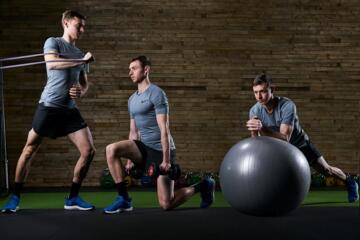
Stretching And Flexibility
Flexibility refers to how far a joint can move through a comfortable range. Stretching targets two main contributors: the mechanical properties of soft tissue and the nervous system’s tolerance for movement. When you stretch, you often feel a “stretch sensation” that reflects both tissue resistance and neural signaling. That mix explains why the same routine can feel easy one day and stubborn the next.
Range of motion changes can be temporary or longer-lasting. A short session can increase motion for minutes to hours by reducing protective muscle tone and improving movement familiarity. Repeated training over weeks can shift how you control end-range positions, and it may also change tissue behavior. The size of the change depends on your baseline mobility, joint structure, and how consistently you practice.
Different stretching styles create different stimulus patterns. Static stretching holds a position; dynamic stretching moves through ranges; PNF uses contraction and relaxation; and ballistic stretching uses bouncing. Each style interacts with muscle activation and stretch reflexes in a different way, so “stretching” is not one single effect.
Common Pain Points
People often treat flexibility as a single number, then blame themselves when progress stalls. Hip rotation, ankle dorsiflexion, hamstring length, and shoulder mobility each respond differently because they involve different tissues, joint shapes, and movement habits. A routine that improves hamstring reach might do little for ankle mobility if your calves and joint mechanics limit the range.
Another frequent issue is stretching through pain. Mild discomfort can occur at end range, but sharp pain, numbness, tingling, or pain that lingers or worsens after the session suggests a problem beyond normal tissue stretch. Stretching a sensitized area can reinforce protective guarding, which keeps range limited. If you have a history of injury, the “right” intensity is often lower than you expect.
Timing and context also matter. Stretching before a workout can change how you move, but it does not automatically translate into better performance. For example, long static holds right before sprinting or heavy lifting may temporarily reduce force output in some people, which feels like “I got looser but weaker.” A short warm-up with gentle dynamic movement often fits better, then stretching later for mobility work.
Dependencies include muscle temperature, hydration, sleep, and your daily activity pattern. Cold muscles and stiff joints can make the same stretch feel harder, even when your tissue properties have not changed. Your nervous system also adapts to repeated end-range exposure, which is why consistent practice beats occasional long sessions.
How To Stretch For Gains
Choose A Stretch Style
Static stretching works by holding a position long enough to reduce resistance and teach end-range control. Many people start with 2–4 holds of 20–45 seconds per muscle group, performed 3–5 days per week. Dynamic stretching uses controlled movement through the range, often 5–10 repetitions, and it fits well before activity. PNF stretching typically uses a brief contraction (often 3–10 seconds) followed by relaxation, repeated 2–4 times; it can be effective but requires careful form so you do not just “yank” into the position.
Ballistic stretching uses bouncing or fast jerks. Evidence for long-term flexibility gains is mixed, and the risk of aggravating irritated tissues is higher for beginners. If you try it, keep it low amplitude and stop if you feel joint pain rather than muscle stretch.
Use Intensity And Breathing
Intensity should target a tolerable stretch sensation, not a pain threshold. A practical cue is to aim for “strong but manageable,” then back off slightly if your breathing turns shallow or you start bracing. Slow exhalation during the hold often helps you relax, which reduces unnecessary guarding. I have seen clients (and I have done this myself during desk-heavy weeks) overshoot the range because they chase a bigger number on the first day; the next day they feel tighter, which is frustrating and predictable.
For most people, a gradual progression works better than forcing deeper positions. Increase range by small increments over time, not by jumping to a new end range every session. If you track a measurement, use the same setup each time so you can tell whether the change is real.
Structure Sessions For Progress
A simple weekly plan can combine mobility and flexibility work. For example, do 10–20 minutes of stretching on 3–4 days per week, focusing on 3–5 target areas. After a warm-up, use dynamic movement for 2–3 minutes, then static or PNF for the main work. If you also train strength, place static stretching after training or on separate days to reduce the chance of temporary performance dips.
Expect modest changes. Many beginners notice improved comfort and range within 2–4 weeks, with larger gains over 6–12 weeks if they practice consistently. If you see no change after 8–12 weeks, the issue is often technique, insufficient frequency, or a joint-specific limitation that needs different exercises.
Track Range Without Obsession
Use a repeatable test rather than guessing. Examples include ankle dorsiflexion measured with a wall test, shoulder flexion measured with a consistent setup, or a sit-and-reach test with the same bench height each time. Record the date and the conditions (time of day, warm-up or not). A small aside: I once compared two sessions done at different temperatures and the difference looked like a training effect; it was mostly muscle temperature and warm-up length.
Track comfort too. A range that increases but feels unstable or painful is not a win. Flexibility training should improve control, not just distance.
Case Examples
Scenario 1: Desk worker with tight hamstrings. A 34-year-old reports limited forward reach and stiffness after long sitting. They start with dynamic hip hinge drills for 5 minutes, then static hamstring stretching for 3 holds of 30 seconds per side, three days per week. After 3 weeks, they notice less “first-moment” stiffness and can reach slightly farther without rounding aggressively. After 8 weeks, the improvement plateaus, and they add ankle mobility work and glute activation exercises because hip hinge mechanics limited the range more than hamstring length.
Scenario 2: Runner with ankle stiffness. A 29-year-old runner feels restricted ankle dorsiflexion during squats and calf stretching. They perform a wall ankle test weekly, then do calf stretching with knee straight and knee bent positions for 3 holds of 25–35 seconds, 4 days per week. They also add controlled calf raises to build tolerance at end range. After 6 weeks, dorsiflexion improves enough to squat deeper, and they report less compensatory knee collapse. They stop stretching aggressively after sessions that cause sharp front-of-ankle pain, since that pattern suggests irritation rather than normal tightness.
Checklist For Choosing
| Goal | Best Stretch Type | Typical Dose | Watch For |
|---|---|---|---|
| Warm-up mobility | Dynamic movement | 5–10 reps, 2–3 minutes total | Joint pain or dizziness |
| Longer-range comfort | Static holds | 2–4 holds of 20–45 seconds | Pain that lingers after |
| Stubborn end range | PNF (with guidance) | 2–4 cycles, short contractions | Over-bracing or jerking |
Step-by-step checklist for a safe first month: pick 3 target areas, warm up for 3–5 minutes, stretch to a tolerable sensation, hold 20–45 seconds, repeat 2–4 times, and keep sessions to 10–20 minutes. If you feel sharp pain, stop and switch to a gentler range. If you feel normal stretch but your range improves week to week, keep the plan and adjust only one variable at a time.
Common Stretching Mistakes
One mistake is chasing depth instead of control. If you collapse into a stretch with poor alignment, you may stress joints or irritate tissues that do not tolerate that position. Another mistake is doing long sessions once in a while. A 60–90 second hold once per week often produces less consistent gains than shorter work several days per week, because neural adaptation and tissue tolerance respond to repeated exposure.
People also ignore the difference between muscle tightness and joint limitation. Limited ankle dorsiflexion can come from calf muscle stiffness, joint capsule restrictions, or movement patterns that change how the joint loads. Stretching only the muscle without addressing the movement can stall progress. Similarly, shoulder mobility may require thoracic spine and scapular control, not only arm stretching.
Finally, many routines skip recovery. Stretching can cause temporary soreness, especially when you increase intensity. If soreness escalates or you notice swelling, persistent pain, or worsening symptoms, reduce intensity and frequency. A mild frustration is common here: you do “everything right” and still feel worse for a few days, then you realize you increased too much too fast.
FAQ
How Long Does Flexibility Change Last?
Short-term increases in range can last minutes to hours after a session, depending on the stretch type and your nervous system response. Longer-term changes usually require repeated practice over weeks, and they often fade if you stop training.
Is Static Stretching Safe Before Exercise?
Static stretching right before explosive or heavy efforts can temporarily reduce force output in some people, especially with long holds. Many people do better with a brief warm-up and dynamic movement first, then static stretching after training or on separate days.
How Often Should I Stretch Each Week?
For general flexibility gains, 3–5 days per week with 10–20 minutes per session is a common starting range. Consistency matters more than extreme session length.
What Does “Pain During Stretching” Mean?
A tolerable stretch sensation can be normal at end range, but sharp pain, numbness, tingling, or pain that worsens after the session signals a problem. In those cases, reduce intensity or stop and consider medical or physical therapy guidance.
Can Stretching Fix Posture?
Stretching can improve comfort and range, but posture also depends on strength, movement habits, and joint control. For example, limited hip extension often needs both mobility and glute/hamstring strength work to change how you stand and move.
Author's Insight
Stretching affects flexibility through a mix of tissue mechanics and nervous system tolerance. Research and clinical guidelines generally support consistent, moderate dosing rather than occasional extreme stretching, because repeated exposure drives adaptation. The biggest practical variable is matching stretch type and intensity to the goal and the joint involved. When progress stalls, the limiting factor often shifts from “muscle length” to movement mechanics, joint control, or recovery load.
Key Takeaways
- Flexibility changes come from both soft-tissue response and nervous system control, so results vary by joint and routine.
- Use static holds for longer-range comfort, dynamic movement for warm-ups, and PNF with careful technique for stubborn end range.
- Start with 10–20 minutes per session, 3–5 days per week, and progress by small increments.
- Stop for sharp pain, numbness, tingling, or symptoms that worsen after stretching.
- Track range with repeatable tests and consistent setup so you can tell real change from day-to-day variation.