Small Sessions Still Count
“Small sessions” means short, repeated blocks of practice rather than one long effort. Examples include a 10-minute walk after meals, 6 minutes of paced breathing when anxiety rises, or 12 minutes of strength work using bodyweight. These sessions can matter because the body adapts to repeated signals: muscles respond to repeated loading, the nervous system learns patterns through repetition, and habits form through frequent cues and actions.
Short sessions also fit real schedules. A person who cannot commit to an hour can still create a consistent rhythm. Consistency matters because many benefits depend on cumulative exposure, not a single event. Even when the immediate change feels small, the repeated pattern can shift baseline functioning over time.
What People Get Wrong
A common mistake is treating “short” as “ineffective.” Biological systems often respond to dose patterns, not only total duration. For instance, muscle protein synthesis after resistance exercise is influenced by the training stimulus and recovery; multiple brief sessions across the week can still create a meaningful weekly stimulus. Similarly, stress regulation improves through repeated practice of attention and breathing patterns, which trains reflexive responses over time.
Another mistake is waiting for perfect conditions. If someone only practices when motivation is high, sessions cluster and gaps grow. Long gaps can slow learning because the nervous system and behavior patterns lose momentum. In habit formation research, frequent repetition strengthens cue–action links; fewer repetitions make those links weaker.
Some people also overestimate what a short session can do. A 5-minute breathing practice may reduce acute arousal, but it does not replace evaluation for persistent panic symptoms, severe depression, or medical causes of fatigue. Short sessions are best viewed as a tool for day-to-day regulation and skill building, not a substitute for diagnosis or treatment when symptoms are severe or worsening.
There are real consequences when short sessions are dismissed. People may abandon efforts after one missed day, then restart with a large plan that becomes unsustainable. That cycle can increase stress and reduce adherence, which undermines the very repetition that drives adaptation.
Mechanistically, short sessions can work through several pathways: repeated movement increases blood flow and helps maintain mobility; breathing exercises can shift autonomic balance by changing respiratory rhythm and attention; and skill practice can reduce cognitive load by making responses more automatic. The effect size varies by person and goal, and evidence is strongest for behaviors that are already known to benefit from regular practice.
How To Plan Micro Sessions
Choose A Specific Target
Pick one measurable target for the session, such as “walk 10 minutes at an easy pace” or “practice 4-6 breathing cycles at a comfortable rate.” A clear target prevents sessions from turning into vague “self-care time.” In practice, you can write the session as a single sentence and attach it to a consistent cue, like after brushing teeth or after lunch.
This works because the brain learns faster when the cue and action are predictable. Tools include a calendar reminder, a habit tracker, or a simple checklist on paper. Realistic outcomes: many people can complete a 10-minute session most days, which creates enough repetition to notice changes in energy, mood, or symptom intensity over weeks rather than days.
Use A Dose That Fits Your Week
Plan a weekly “dose” rather than a daily heroic effort. For example, aim for 3–5 sessions per week for strength practice, or 5–7 short movement sessions for mobility. If you start with 2–3 sessions per week, you can build toward a stable routine without triggering burnout.
Short sessions can still create a meaningful weekly stimulus. For movement, even brief bouts can reduce sedentary time and improve circulation. For breathing or relaxation practice, repeated short exposures can train attention and reduce reactivity. A practical method is to set a minimum standard you can meet on bad days, such as 5 minutes, and a higher standard on good days, such as 10–15 minutes.
Realistic outcomes depend on the goal. Many people notice immediate effects from acute regulation practices (like reduced tension during the session), while longer-term changes (like improved sleep consistency or better coping) typically require several weeks of repetition.
Track One Outcome, Not Ten
Choose one outcome to track for 2–4 weeks. Examples include step count, time spent moving, sleep onset time, or a simple 0–10 rating of stress before and after the session. Tracking one variable reduces decision fatigue and helps you see whether the session dose matches your goal.
This works because feedback guides adjustment. If stress ratings do not change after practice, the issue may be session timing, technique, or expectations. Tools include a notes app, a wearable for activity minutes, or a paper log. Realistic outcomes: you may see small but consistent trends rather than dramatic swings.
Pair Short Sessions With Safety Checks
Short sessions should match your safety needs. If you have chest pain, fainting, severe shortness of breath, or neurological symptoms, you should seek medical evaluation rather than relying on exercise or breathing alone. For pain-related goals, avoid pushing through sharp pain or new weakness.
Safety checks also include medication considerations. Some people experience dizziness with certain breathing patterns or with changes in activity level; if symptoms occur, stop and reassess. A practical method is to define “stop rules” in advance, such as stopping if pain becomes sharp, if breathing feels unsafe, or if symptoms worsen after the session.
Educational Case Examples
Example 1: Stress regulation with brief breathing. A person notices racing thoughts during late afternoon work. They start with a 6-minute paced breathing session twice daily for two weeks, using a comfortable rhythm and focusing on exhalation. They track stress ratings before and after each session. The immediate change is a lower stress rating after the practice; over time, they report fewer spikes during the late afternoon, though they still experience stress on heavy workload days.
Example 2: Mobility and pain sensitivity with short walks. Another person has stiffness after sitting. They begin with a 10-minute easy walk after lunch on weekdays and add a second 10-minute walk on two days per week. They track morning stiffness on a 0–10 scale and note whether walking increases or reduces discomfort. After several weeks, they report less stiffness and improved comfort during daily tasks, while they avoid longer walks on days when pain flares sharply.
Session Planning Checklist
| Goal Type | Short Session That Fits | What To Expect | When To Seek More Help |
|---|---|---|---|
| Stress or anxiety | 5–10 minutes of paced breathing or guided relaxation | Lower arousal during practice; gradual improvement in coping over weeks | Symptoms are severe, persistent, or interfere with daily functioning |
| Mobility or stiffness | 10–15 minute easy walk or gentle range-of-motion breaks | Less stiffness after sitting; improved comfort with repeated exposure | New weakness, numbness, or sharp pain that worsens |
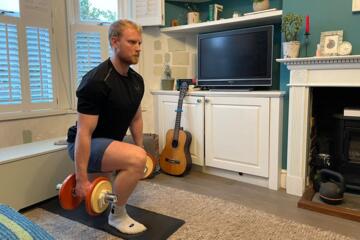
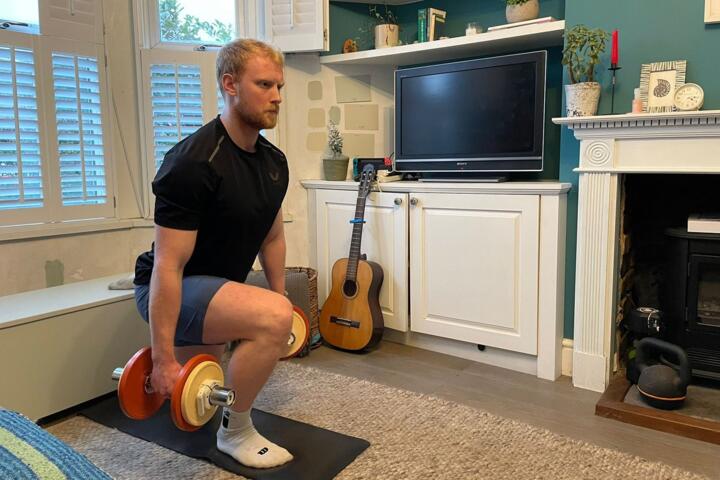
| Strength or conditioning | 2–3 short sessions per week (10–20 minutes) with bodyweight or light resistance | Gradual strength and endurance gains; soreness should settle within days | Pain that is sharp, joint swelling, or dizziness during exertion |
Step-by-step checklist:
- Write the session as one action and one duration (example: “10-minute walk at easy pace”).
- Attach it to a cue (after lunch, after brushing teeth, before dinner).
- Set a minimum version you can do on low-energy days (example: 5 minutes).
- Track one outcome for 2–4 weeks (example: stress rating, stiffness rating, or activity minutes).
- Adjust only one variable at a time (duration, frequency, or timing).
- Stop and reassess if you experience unsafe symptoms or worsening pain.
Common Mistakes
People often start with a session length that matches their best day, not their average day. When the routine fails, they interpret it as a personal flaw rather than a mismatch between dose and schedule.
Another mistake is changing the plan every few days. Frequent changes prevent you from learning which element drives results. A better approach is to keep the session structure stable for at least two weeks before adjusting.
Some people track only motivation. Motivation fluctuates, but the session can still work when motivation is low. Tracking completion rate and one symptom metric gives a clearer picture.
Short sessions can also be done with unsafe intensity. For movement and strength, “short” does not mean “max effort.” Using a comfortable pace and avoiding sharp pain reduces the risk of flare-ups that derail adherence.
Finally, people sometimes treat short sessions as a substitute for medical evaluation when symptoms are red-flag level. Persistent chest pain, fainting, severe breathlessness, or neurological deficits require prompt assessment.
FAQ
Do 5-Minute Sessions Work?
They can. Short sessions often help with acute regulation, such as reducing tension during the practice. Longer-term changes usually require repeated sessions over weeks, and the effect depends on the goal and consistency.
How Often Should I Do Small Sessions?
A practical starting point is 3–7 sessions per week depending on the goal and your baseline. The best frequency is the one you can sustain without increasing pain or causing excessive fatigue.
Will Short Sessions Replace Longer Therapy?
They can support day-to-day coping skills, but they do not replace professional evaluation when symptoms are severe, persistent, or worsening. If you need structured care, short sessions should complement it rather than replace it.
What Should I Track to See Progress?
Track one outcome for 2–4 weeks, such as stress rating before and after practice, sleep onset time, stiffness rating, or activity minutes. Completion rate also helps distinguish “did it happen” from “did it help.”
Can Small Sessions Worsen Symptoms?
They can if intensity is too high, technique is unsafe, or the session triggers symptom flare-ups. If symptoms worsen after sessions or include red-flag signs, stop and seek medical advice.
Author's Insight
Small sessions count because many health-related adaptations depend on repetition and feedback, not only on total time. Short practices reduce barriers to consistency, which increases the number of exposures your body and brain receive. The most reliable approach is to define a specific action, attach it to a cue, and track one outcome long enough to see a trend. When symptoms are severe or unsafe, short sessions should not delay appropriate medical evaluation.
Key Takeaways
- Short, repeated sessions can drive change through cumulative exposure and skill learning.
- Effectiveness depends on consistency, a clear target, and safe intensity.
- Track one outcome for 2–4 weeks to guide adjustments.
- Use stop rules and seek medical evaluation for red-flag symptoms or worsening pain.