Omega-3 Forms Compared
Omega-3 fatty acids are a family of fats that differ in structure and in how the body uses them. ALA (alpha-linolenic acid) comes mainly from plant sources such as flaxseed, chia, and walnuts. EPA (eicosapentaenoic acid) and DHA (docosahexaenoic acid) are found in fatty fish and in algae-based products, and they also appear in some fortified foods.
In practice, the form matters because ALA must be converted into EPA and DHA through a multi-step metabolic pathway. That conversion is inefficient in many people, so ALA intake often does not translate into the same EPA and DHA levels as direct intake of EPA and DHA. EPA and DHA also differ in their roles in cell membranes and in the production of signaling molecules that influence inflammation-related pathways.
For example, a person who eats ground flax daily may increase ALA intake, but blood levels of EPA and DHA may rise only modestly. In contrast, regular consumption of salmon, sardines, or algae-derived DHA and EPA can raise EPA and DHA more directly.
Common Intake Mistakes
A frequent mistake is treating “omega-3” as a single nutrient. ALA, EPA, and DHA are not interchangeable in the body because they follow different metabolic routes. ALA conversion to EPA and DHA competes with other fatty acid pathways, including those that use enzymes shared with omega-6 fats.
Another issue is assuming that higher ALA intake automatically produces higher EPA and DHA. Conversion efficiency varies by sex, metabolic health, and overall dietary fat pattern. People with insulin resistance or higher omega-6 intake may convert ALA less efficiently, which can blunt the impact of ALA-focused diets on EPA and DHA status.
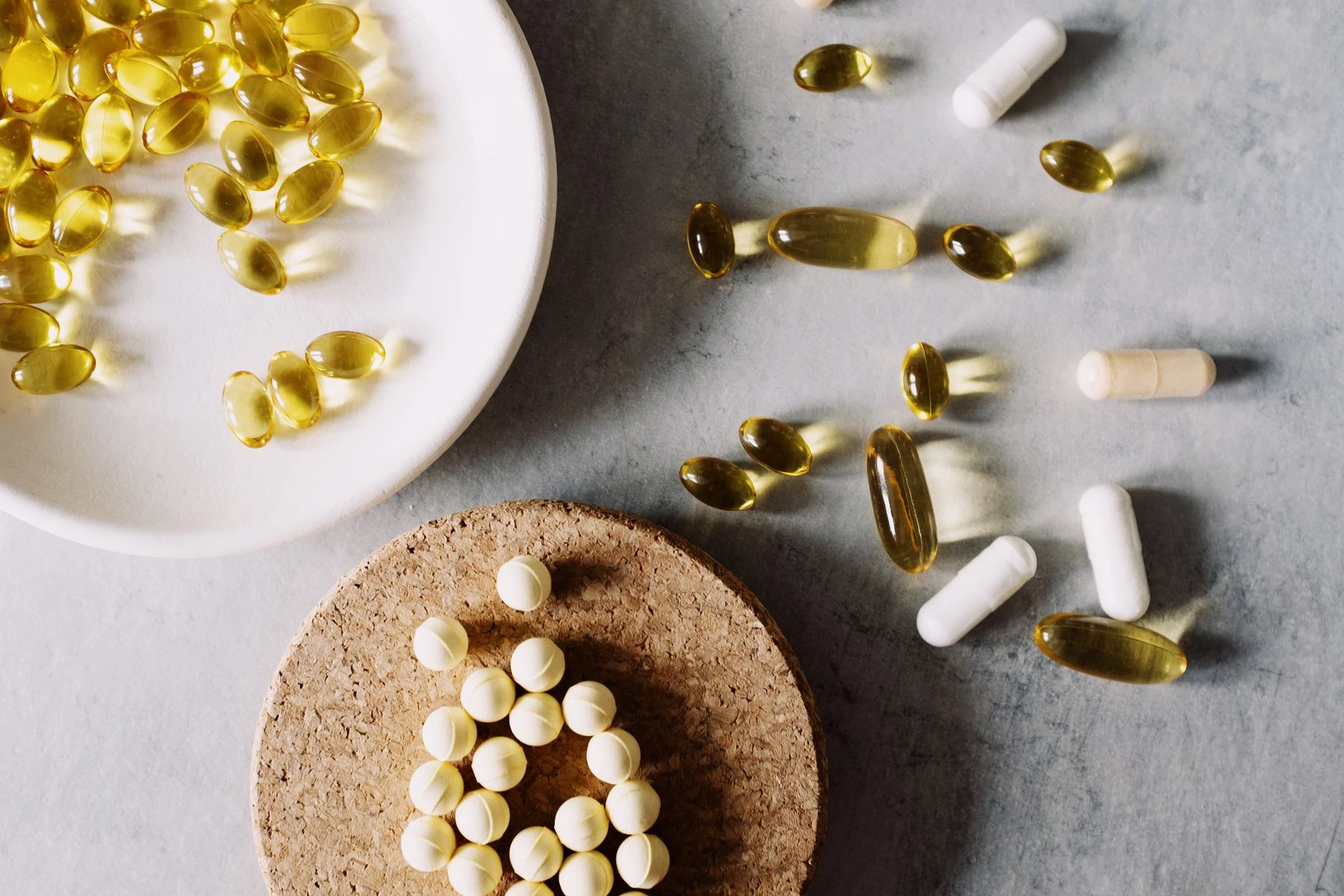
Some people also misread supplement labels. “Fish oil” products may list total omega-3 content, but the amounts of EPA and DHA can vary widely. A product that lists 1,000 mg of “fish oil” does not necessarily contain 1,000 mg of EPA plus DHA. The label may also include other fats, and the EPA and DHA amounts can be split across multiple capsules.
Real-world consequences depend on the goal. If the aim is lowering triglycerides, EPA and DHA have more direct evidence than ALA. If the aim is supporting fetal brain and retinal development during pregnancy, DHA intake is the form most consistently linked to fetal DHA status. If the aim is general cardiovascular risk reduction, the relationship between omega-3 form, dose, and outcomes is more nuanced and depends on baseline diet, lipid profile, and overall risk factors.
Safety misunderstandings also occur. Higher-dose omega-3 supplements can increase bleeding tendency in some contexts, particularly when combined with anticoagulant or antiplatelet medications. They can also cause gastrointestinal side effects such as reflux or fishy aftertaste, which may lead people to stop taking them without adjusting the dose or formulation.
How To Choose The Right Form
Match Your Goal To The Form
Start by linking the omega-3 form to the outcome you care about. EPA and DHA are the forms most directly incorporated into tissues and used for downstream signaling. ALA can contribute to EPA and DHA, but the conversion step limits how much EPA and DHA status rises from ALA alone.
In practice, a person focused on triglyceride lowering would generally look for products with measurable EPA and DHA rather than relying on ALA. A person focused on pregnancy-related DHA needs would prioritize DHA intake from fish or algae sources, since DHA is the key fatty acid transferred to the fetus.
For dietary planning, consider the food pattern. If your diet already includes fatty fish a few times per week, additional ALA from flax or chia may be less relevant than ensuring adequate EPA and DHA. If you avoid fish, algae-derived DHA and EPA can be a direct alternative.
Compare Labels Using EPA+DHA
When comparing supplements, look for the amounts of EPA and DHA per serving, not just “omega-3” or “fish oil.” A label might list “omega-3 fatty acids 1,000 mg,” but that total can include ALA, EPA, DHA, and sometimes other omega-3s. The most actionable number for many goals is the combined EPA plus DHA content.
In practice, you can compute daily intake by multiplying the EPA and DHA per capsule by the number of capsules per day. If a product provides 300 mg EPA+DHA per capsule and you take two capsules daily, your intake is about 600 mg EPA+DHA per day.
Also check whether the product specifies “triglyceride,” “ethyl ester,” or other forms. Absorption can differ by formulation, but the label often does not fully describe bioavailability. If you experience reflux, choosing enteric-coated products or taking capsules with meals may reduce symptoms, though this does not change the EPA and DHA content.
Estimate Food Intake Realistically
Food can be a practical way to reach EPA and DHA targets. Fatty fish such as salmon, sardines, mackerel, and trout typically provide meaningful EPA and DHA amounts. Portion size and species matter, so two servings of “fish” can deliver different omega-3 doses.
For ALA, plant foods provide ALA but not EPA or DHA. Ground flaxseed and chia seeds are concentrated sources. A common approach is to measure portions: for example, using a measured tablespoon of ground flax or a measured serving of chia rather than “a handful,” since ALA intake can vary substantially with portion size.
If you use both food and supplements, add them together. A person who eats salmon once weekly and also takes an EPA+DHA supplement may already be near a moderate intake level, while a person who eats no fish and relies on ALA may have lower EPA and DHA status.
Use Dose Cautiously And Watch Interactions
Omega-3 supplements vary from low-dose to high-dose products. Higher doses of EPA and DHA are more likely to affect triglycerides and may also increase bleeding risk in susceptible situations. If you take anticoagulant or antiplatelet medication, discuss omega-3 supplementation with a clinician before starting, since the interaction risk depends on the specific drug and dose.
People with bleeding disorders, those preparing for surgery, and those with uncontrolled bleeding risk factors should be especially cautious. Gastrointestinal side effects are another practical limit; if reflux or diarrhea occurs, reducing the dose or changing the formulation can help, but the goal should remain consistent EPA and DHA intake rather than simply stopping.
All omega-3 products can oxidize over time. Storing supplements away from heat and light and checking expiration dates reduces the chance of rancidity, which can worsen gastrointestinal symptoms.
Educational Case Examples
Scenario 1: A 45-year-old avoids fish and eats ground flaxseed daily. The person reads that ALA converts to EPA and DHA, so they increase flax intake. After several months, they notice no change in triglyceride levels during routine labs. This pattern fits the biology of limited ALA conversion and the fact that triglyceride lowering is more directly linked to EPA and DHA intake than to ALA alone.
Scenario 2: A 32-year-old takes a “fish oil” supplement but chooses it based on total fish oil grams rather than EPA and DHA content. The label shows 1,000 mg fish oil per capsule but only 300 mg EPA+DHA. They take one capsule daily and later find the supplement provides less EPA and DHA than expected. Switching to a product with a higher EPA+DHA per serving aligns intake with the intended goal.
ALA Vs EPA Vs DHA Checklist
| Question | ALA | EPA | DHA |
|---|---|---|---|
| Main dietary sources | Flax, chia, walnuts | Fatty fish, algae-based EPA, some fortified foods | Fatty fish, algae-based DHA, fortified foods |
| Needs conversion | Yes, to EPA and DHA | No | No |
| Label number to track | ALA grams or mg | EPA mg | DHA mg |
| Common practical use | Plant-based omega-3 intake | Triglyceride-focused intake | Pregnancy and tissue DHA needs |
| Typical supplement caution | Conversion limits; watch total fat pattern | Higher-dose bleeding risk in some contexts | Dose and source matter; check product quality |
Step-by-step checklist for choosing an option:
- Write down your goal in one line (for example, “raise EPA and DHA status” or “increase DHA for pregnancy”).
- Check whether you eat fatty fish. If you do, note how many servings per week and approximate portion size.
- If using a supplement, record EPA mg and DHA mg per serving from the label.
- Decide whether you need direct EPA and DHA or whether ALA from foods fits your plan.
- Review safety factors: blood thinners, bleeding disorders, upcoming surgery, and prior intolerance to fish oil.
- Start with a dose you can tolerate and re-check outcomes through your usual clinical follow-up rather than relying on symptoms.
Common Mistakes
Choosing a supplement based on “total omega-3” instead of EPA plus DHA is a frequent error. Many products include ALA or other fats that do not match the intended effect of EPA and DHA.
Another mistake is assuming that more ALA from seeds automatically compensates for low EPA and DHA. Conversion is limited, and dietary fat balance can shift conversion efficiency. If the goal is EPA and DHA status, direct sources tend to be more predictable.
People also overlook serving size. A label may list EPA and DHA per capsule, while the serving size might be two or three capsules. Misreading this can lead to under- or over-estimation of intake.
Some readers ignore medication interactions. Omega-3 supplements can affect bleeding risk at higher doses, and the risk depends on the medication and the person’s baseline risk factors.
Finally, some products are stored poorly. Heat and light can increase oxidation, which can worsen gastrointestinal side effects and reduce product quality.
FAQ
Does ALA Turn Into EPA And DHA?
ALA can be converted into EPA and DHA through multiple enzyme steps, but the conversion rate is limited and varies by individual factors such as overall diet and metabolic health. Direct EPA and DHA intake generally raises EPA and DHA status more predictably than ALA alone.
Which Omega-3 Form Helps Triglycerides?
EPA and DHA have more direct evidence for triglyceride lowering than ALA. The effect depends on dose and baseline triglyceride levels, and it is not the same across all people.
Is Algae-Derived DHA Enough Without Fish?
Algae-derived DHA provides DHA directly and can fit fish-free diets. Some algae products also provide EPA, but you need to check the label for EPA and DHA amounts.
How Do I Compare Omega-3 Supplements?
Compare the labeled EPA mg and DHA mg per serving, then multiply by the number of servings you take. Also check whether the serving size matches the number of capsules you plan to swallow.
Can Omega-3 Supplements Increase Bleeding Risk?
Higher-dose omega-3 supplements can increase bleeding tendency in some situations. The risk is more relevant when combined with anticoagulant or antiplatelet medication, bleeding disorders, or before surgery.
Author's Insight
Omega-3 intake is best understood as form-specific nutrition rather than a single “omega-3” bucket. ALA contributes to the omega-3 pool, but limited conversion means it often does not replace EPA and DHA when those specific fatty acids are the target. Label literacy matters because “fish oil” weight does not equal EPA plus DHA dose. For most consumers, the practical decision is whether to rely on foods, supplements, or both, while matching the form to the outcome and accounting for medication and tolerance.
Key Takeaways
- ALA comes from plants and must be converted to EPA and DHA, which limits its predictability for raising EPA and DHA status.
- EPA and DHA come from fatty fish and algae and are the forms most directly linked to triglyceride lowering and DHA-specific needs.
- Compare supplements by EPA mg and DHA mg per serving, not by “fish oil” grams or total omega-3.
- Higher-dose omega-3 supplements can increase bleeding risk in some contexts, especially with blood thinners or before surgery.
- Use a plan you can sustain, then evaluate outcomes through your usual follow-up rather than symptoms alone.