Naps And Sleep Inertia
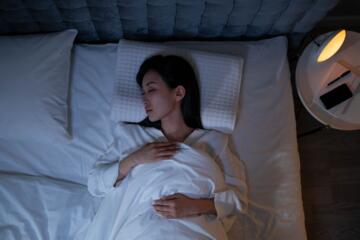
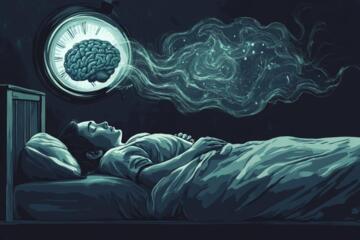
A nap is a short sleep episode used to recover alertness, mood, and reaction time. The main trade-off is timing: a nap that ends during deep sleep can leave you temporarily disoriented, while a nap that ends earlier often feels cleaner. Sleep inertia is that groggy, slower-to-think state after waking, and it tends to be stronger when you wake from deeper stages. People notice it as heavy eyelids, slower speech, and reduced attention for a short window after the alarm. The same person can feel very different after a 20-minute nap versus a 90-minute nap because the brain cycles through stages in a predictable rhythm.
What People Get Wrong
Many people treat nap length as a single lever, then ignore sleep stage timing. A 20-minute nap often lands near lighter sleep or the transition out of it, but it can also land in deeper sleep if you fall asleep quickly or slowly. A 90-minute nap often matches a full sleep cycle for many adults, yet it can still end in a deep stage depending on how long it took to fall asleep. People also assume that “waking up once” means the brain is fully reset, which rarely happens immediately.
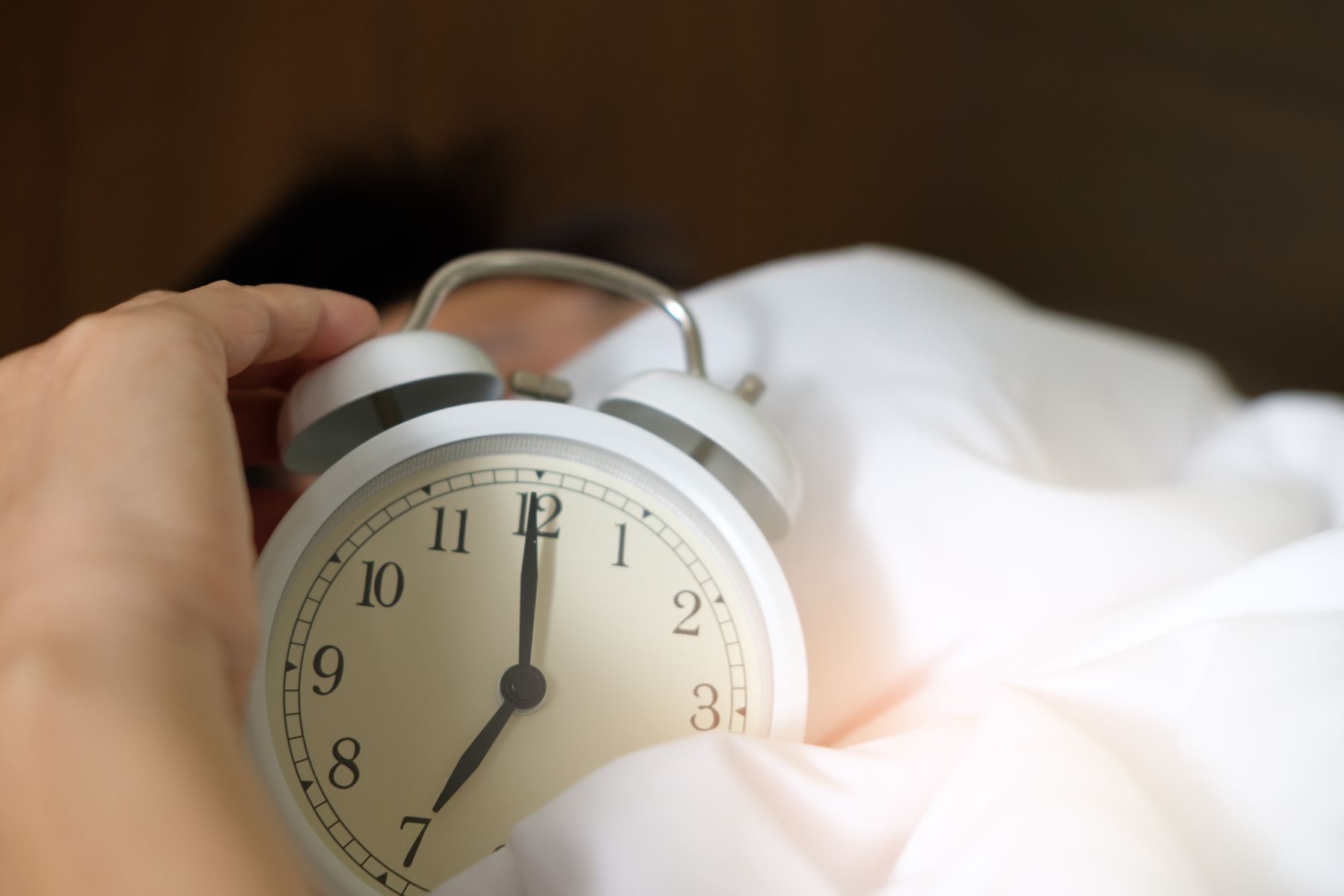
Sleep inertia depends on where you wake within the sleep cycle and how long you slept. It also depends on sleep pressure from the previous night, circadian timing, and how fragmented the prior sleep was. If you nap late in the day, you may reduce inertia but still shift your nighttime sleep schedule. If you nap after a long night of short sleep, you may fall into deeper stages faster, which can increase grogginess when you wake. A practical detail: if you use a phone alarm, the sound pattern matters less than the wake timing, but the vibration can help you avoid oversleeping when you are already drowsy.
Supporting factors include sleep onset latency, caffeine timing, and the environment. Sleep onset latency is the time from lying down to first sleep, and it varies with stress, room temperature, and whether you are already sleepy. Caffeine can delay sleep onset and change the distribution of sleep stages, which makes the same nap duration feel different on different days. Light exposure also matters because bright light after waking can reduce subjective grogginess, while dim light can prolong it. If you track naps with a wearable, remember that consumer sleep staging is an estimate, not a medical measurement, and it can be off by several minutes.
How To Choose Nap Length
Use A 20-Minute Window
A 20-minute nap is designed to end before deep sleep becomes dominant for many people. In practice, aim for a “lie-down to wake” window of about 20 to 25 minutes, because falling asleep can take 5 to 15 minutes. If you tend to fall asleep in under 5 minutes, a strict 20-minute timer may wake you closer to deeper stages, which can increase inertia. A practical approach is to set a timer for 25 minutes when you are unsure, then adjust after a few days. I often see people overshoot by 10 to 20 minutes because they set the alarm for 20 minutes after they already fell asleep, which defeats the point.
To reduce inertia, wake to bright light and movement. A short walk, a few minutes of stretching, and drinking water can help you feel more alert. If you can, avoid waking to a loud alarm that triggers panic, because stress can worsen the “foggy” feeling. If you use a wearable, check whether it reports you woke during lighter stages, but treat the numbers as directional. On a day when you feel groggy, shorten the next nap by 5 minutes rather than extending it.
Try A 90-Minute Cycle
A 90-minute nap targets a full sleep cycle for many adults, often including deeper stages and a return toward lighter stages. The goal is to wake near the end of a cycle, which can reduce inertia compared with waking mid-cycle. The limitation is that sleep onset latency shifts the whole cycle window. If it takes 15 minutes to fall asleep, a 90-minute nap becomes 105 minutes from lying down to waking, which can push you into a second cycle or wake you at an awkward point.
If you want to use a cycle-based nap, plan for a “lie-down to wake” duration of roughly 100 to 110 minutes for many people. That range accounts for sleep onset and still keeps you near one cycle. If you wake more groggy than expected, shorten by 10 to 15 minutes next time. If you wake refreshed, keep the same window for a week and watch whether nighttime sleep onset becomes harder. A mild aside from common lab-style findings: people often feel best when the nap ends with a natural transition, not when an alarm interrupts a deep stage.
Control Timing With Caffeine And Light
Caffeine timing can change both sleep onset and sleep stage distribution. If you need a nap, avoid caffeine in the last 6 to 8 hours before bedtime, and consider reducing caffeine earlier in the day if you plan to nap in the afternoon. For a nap itself, caffeine right before a nap can delay sleep onset and reduce deep sleep, which may lower inertia but also reduce recovery. Light exposure after waking can reduce sleep inertia by increasing alertness signals; bright indoor light or outdoor daylight helps more than dim lighting.
Room temperature also affects sleep onset. Many people fall asleep faster in a slightly cool room, which can shorten sleep onset latency and shift where the nap ends relative to the sleep cycle. If you use a fan or air conditioning, keep it consistent so your nap timing stays comparable. A small practical detail: if you nap on a couch, the body position can make it harder to enter deeper sleep, which may make a 90-minute nap feel less effective than expected.
Match The Nap To Your Schedule
Nap timing interacts with circadian rhythm. Napping late afternoon or early evening can reduce sleep inertia but still interfere with nighttime sleep, especially if you are sensitive to schedule shifts. A common practical rule is to keep naps earlier in the day when possible, and to avoid long naps close to your usual bedtime. If you work shifts, anchor your nap around your body’s “biological night,” which often means the period when you would normally sleep if your schedule were regular.
When you are sleep-deprived, you may need more total sleep than a nap can provide. A nap can reduce acute sleepiness, but it does not replace chronic sleep debt. If you regularly need naps to function, the most reliable fix is adjusting sleep duration and schedule rather than repeatedly extending naps. People sometimes respond to grogginess by taking longer naps, which can worsen nighttime sleep and create a cycle of needing more naps.
Educational Case Examples
Scenario 1: A university student naps at 3:30 p.m. after a late study session. They set a 20-minute alarm from the moment they lie down, then wake groggy twice in a week. Their sleep onset latency is around 2 to 5 minutes on those days, so the alarm sometimes wakes them during deeper stages. They switch to a 25-minute lie-down window for one week and add 5 minutes of bright light and a short walk after waking. Grogginess becomes less frequent, and they keep nighttime sleep onset within about 20 to 30 minutes of their usual time.
Scenario 2: A night-shift worker takes a “90-minute nap” in a break room at 1:00 a.m. They set the alarm for 90 minutes after lying down and often wake very tired. Their sleep onset latency is 15 to 20 minutes because the room is noisy and they are anxious about missing the shift start. They change to a 105-minute lie-down window and use earplugs plus a consistent room setup. After the change, they report less inertia and fewer instances of oversleeping, while their next sleep period remains stable enough that they do not need to reduce their total sleep time.
Nap Length Decision Checklist
| Goal | Try This | Typical Wake Feeling | Main Risk |
|---|---|---|---|
| Quick alertness | 20 to 25 minutes from lying down | Often less groggy | May wake from deeper sleep if you fall asleep fast |
| Deeper recovery | 100 to 110 minutes from lying down | Often better than mid-cycle wake | May disrupt nighttime sleep if timed too late |
| Reduce inertia | Bright light and movement after waking | Less “fog” in the first minutes | Overreliance on naps can worsen sleep debt |
Step-by-step checklist for your next nap:
- Pick a target window: 20 to 25 minutes or 100 to 110 minutes from lying down.
- Set two alarms if you tend to oversleep, one as a warning and one as the final wake.
- Use consistent conditions: same room light level, similar temperature, and similar posture.
- After waking, get bright light for a few minutes and do light movement before returning to tasks.
- Track two outcomes for 3 days: grogginess level and how quickly you fall asleep at night.
- Adjust by 5 to 15 minutes based on results rather than changing both length and timing at once.
Common Mistakes
People often set the alarm for “20 minutes” after they already feel sleepy, not after they lie down. That shifts the nap relative to sleep onset and makes results inconsistent. Another common mistake is using a 90-minute nap late in the day, then compensating with an even longer nap the next day, which can push nighttime sleep later. Some people also treat grogginess as proof they need a longer nap, when grogginess often signals waking from deeper sleep or waking mid-cycle.
Wearing a sleep tracker can help, but it can also create false confidence. Consumer devices estimate sleep stages using motion and heart rate patterns, and those estimates can be wrong for some people and some positions. If your tracker says you were in light sleep but you feel very groggy, trust your subjective experience and adjust timing. If you feel groggy every time you wake, check sleep duration the night before, caffeine timing, and whether you are napping too close to bedtime. If you have symptoms like loud snoring, choking during sleep, or persistent daytime sleepiness despite adequate sleep, a clinician evaluation for sleep disorders can be more useful than experimenting with nap length.
FAQ
Is A 20-Minute Nap Always Better?
A 20-minute nap often reduces sleep inertia, but it depends on sleep onset latency and where you wake within the sleep cycle. If you fall asleep quickly, a strict 20-minute alarm can still wake you from deeper stages.
Why Do I Feel Groggy After Napping?
Sleep inertia is strongest when waking from deeper sleep or when the wake time interrupts a cycle transition. Circadian timing, sleep debt, and stress can also make the groggy feeling last longer.
Does A 90-Minute Nap Guarantee Less Inertia?
A 90-minute nap targets a full cycle for many adults, but it does not guarantee a clean wake. Sleep onset latency shifts the cycle, so a 90-minute “from lying down” nap can end mid-cycle for some people.
Can Naps Affect Nighttime Sleep?
Yes. Long or late naps can delay bedtime and reduce sleep pressure at night, especially if you nap close to your usual sleep time. Tracking how quickly you fall asleep at night helps you judge the impact.
Should I Use Caffeine Before A Nap?
Caffeine can delay sleep onset and change sleep stage distribution. If you use caffeine, keep timing consistent and avoid it close to your bedtime, since it can worsen nighttime sleep even when the nap feels helpful.
Author's Insight
Sleep inertia is a predictable consequence of waking from deeper sleep stages, and nap length changes the probability of waking at different points in the sleep cycle. The practical challenge is that sleep onset latency varies day to day, so “20 minutes” and “90 minutes” work as targets rather than guarantees. A careful approach uses consistent nap conditions, two short outcome checks, and small timing adjustments. If grogginess persists or daytime sleepiness is frequent despite adequate sleep opportunity, sleep disorders and medication effects deserve clinical attention rather than repeated nap experiments.
Key Takeaways
- 20 to 25 minutes from lying down often reduces sleep inertia, but fast sleep onset can still cause grogginess.
- 100 to 110 minutes from lying down targets one sleep cycle for many people, yet sleep onset latency shifts the wake point.
- Bright light and light movement after waking can reduce the first minutes of fog.
- Track grogginess and nighttime sleep onset for a few days, then adjust by 5 to 15 minutes.
- Frequent reliance on naps can signal insufficient sleep duration or a sleep disorder, which deserves evaluation.