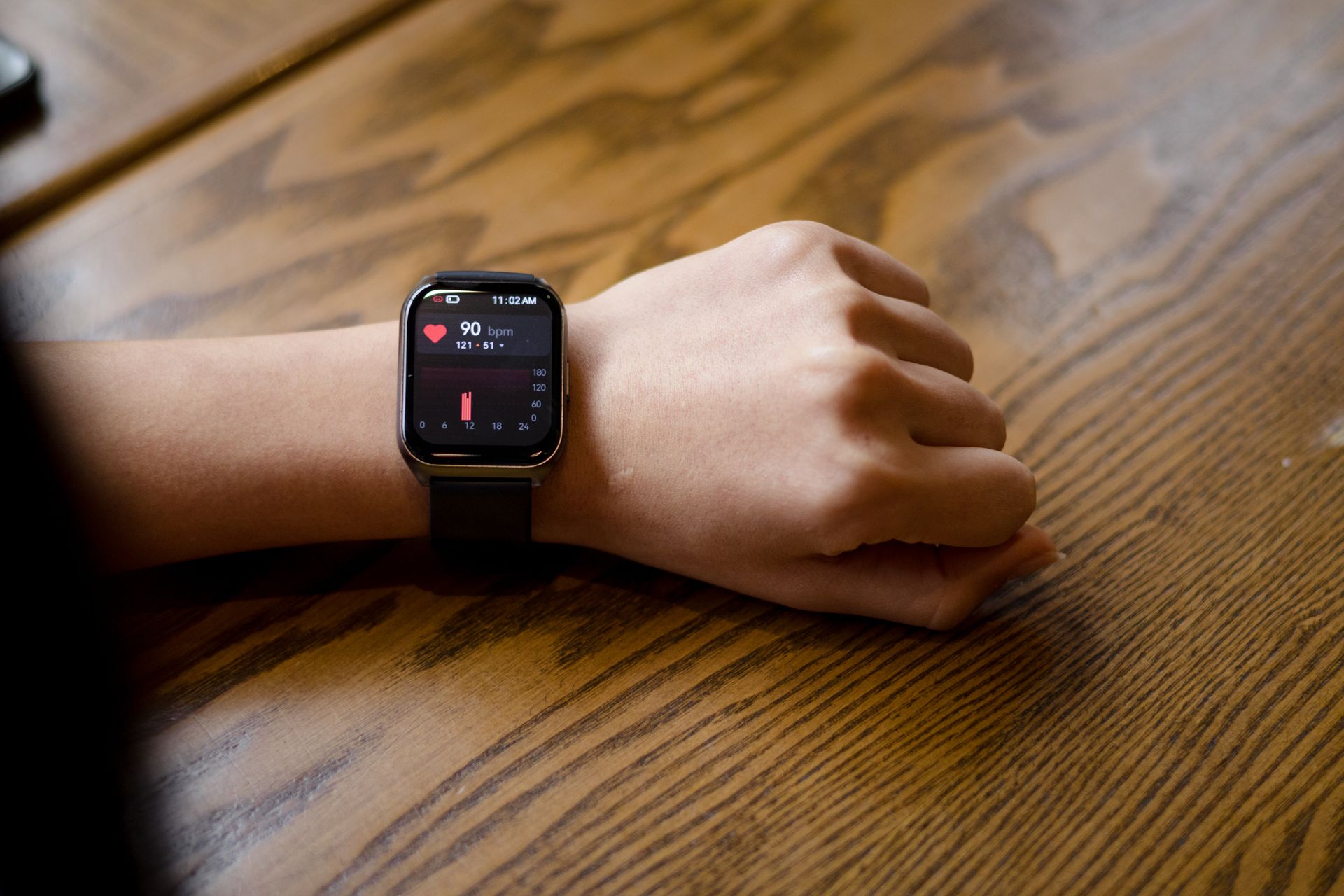
Heart Rate Zones in Plain
Heart rate zones are intensity ranges based on beats per minute (bpm). They help you interpret what your cardiovascular system is doing during exercise, rather than treating every workout as the same effort. Many fitness trackers estimate zones from your maximum heart rate or from a heart-rate reserve method, then display time spent in each range.
Two evidence-based facts anchor how zones are used. First, heart rate rises with exercise intensity because the body needs more oxygen and nutrients to working muscles. Second, heart rate and oxygen uptake (VO2) track together during steady effort, which is why heart rate can act as a practical proxy when lab measurements are unavailable.
In real life, zones are often described as a ladder: low intensity for easy aerobic work, mid intensity for sustained training, and higher intensity for intervals. For example, a brisk walk might sit in a lower zone where you can usually speak in full sentences, while a hill repeat might push you into a higher zone where speech becomes broken. These “talk test” patterns are not perfect, but they match how breathing and energy use change with intensity.
What People Misread
A common mistake is treating zones as exact targets. Heart rate is influenced by heat, dehydration, caffeine, stress, sleep loss, pain, and even the time of day. The same workout can land in different zones on different days because the body’s baseline heart rate shifts.
Another frequent error is assuming wearable heart rate equals true heart rate. Optical sensors on the wrist can misread during movement, when the strap fit is loose, or when skin temperature changes. Chest straps generally track more reliably during many activities, but even they can drift if the signal is intermittent.
People also confuse “time in zone” with training quality. Spending a long time at a higher zone can reflect poor pacing rather than effective training, especially if recovery is insufficient. Conversely, staying too low for too long can reduce the stimulus if your goal includes improving aerobic capacity.
Biologically, heart rate reflects the balance between oxygen demand and delivery, plus autonomic nervous system activity. During steady exercise, heart rate tends to stabilize; during intervals or hills, it rises and falls quickly. If your heart rate keeps climbing during a constant-effort workout, that can indicate rising fatigue, heat stress, or dehydration.
Real-world consequences show up in patterns: repeated overreaching, persistent soreness, or a sense that “every session feels harder than it should.” On the other side, undertraining can lead to slow progress and frustration when workouts feel easy but measurable fitness markers do not change.
How to Interpret Zones
Zones are best treated as a range of effort, not a single number. A practical way to interpret them is to combine bpm with how you feel and how your breathing changes. If your heart rate is in a higher zone but your breathing and perceived exertion feel low, sensor error or unusual conditions may be the cause.
Another interpretation step is to look at trends rather than one session. If your resting heart rate is higher than usual and your heart rate response to the same pace is elevated, your body may be under more stress than normal. In that situation, staying in the lower end of your intended zone can reduce the chance of pushing too hard.
When you use zones for training, you also need to match the zone to the goal. Easy aerobic work typically supports endurance adaptations through repeated low-to-moderate stress. Higher-intensity work increases the stimulus for speed and VO2-related fitness, but it also increases recovery demands.
Finally, remember that zones do not directly measure oxygen uptake, lactate, or ventilatory thresholds. They estimate intensity using heart rate, which correlates with those processes but does not replace them.
Practical Ways to Use Zones
Pick a zone method
Choose a consistent zone calculation method and stick with it for at least several weeks. Many systems use maximum heart rate estimates (often derived from age) or heart-rate reserve (which uses resting heart rate). Using the same method matters because zone boundaries can shift by several bpm between approaches.
What to do: set your resting heart rate in your device if it supports it, then confirm your zones once and avoid changing settings mid-plan. What it looks like: your “easy” zone stays stable across workouts, making it easier to judge pacing and recovery.
Realistic outcome: consistency improves your ability to compare sessions, even if the absolute bpm values are not perfect.
Calibrate with a test
If you want tighter interpretation, do a simple field calibration. One approach is a graded exercise test supervised by a clinician, but many people use a self-guided method such as a sustained hard effort to estimate a personal high heart rate. Self-tests have limitations, especially if you have cardiovascular risk factors, so they should be approached cautiously.
What to do: pick a safe, repeatable route (flat if possible) and record heart rate response at the same effort level over multiple days. What it looks like: you learn which bpm range corresponds to your “steady hard” pace for that environment.
Realistic outcome: you reduce mismatch between your perceived effort and your device’s zone labels.
Use talk and breath cues
Pair bpm with speech and breathing patterns. At lower intensities, many people can speak in full sentences; at higher intensities, speech becomes shorter phrases because breathing becomes more labored. This is not a medical measurement, but it helps catch sensor errors.
What to do: during a workout, note whether you can talk comfortably, speak in short bursts, or cannot speak without gasping. What it looks like: if your device shows you in a high zone but you can talk normally, you may be overestimating intensity.
Realistic outcome: you make pacing decisions that match your physiology rather than a single sensor reading.
Plan sessions by zone
Match session structure to the zone goal. For easy days, aim for lower zones with steady effort and minimal spikes. For interval days, expect heart rate to rise quickly during work bouts and drop during recovery; the key is controlling how hard you go during the work phase and how much recovery you take.
What to do: for intervals, track both peak bpm and how quickly heart rate falls during recovery. What it looks like: if heart rate stays high during recovery, you may need longer rest or fewer repeats.
Realistic numbers: many interval sessions include multiple short bouts (for example, 30 seconds to 3 minutes) with recovery periods long enough to bring heart rate down meaningfully, but the exact timing depends on your fitness and safety considerations.
Watch recovery signals
Use heart rate patterns to judge whether you are recovering. A higher-than-usual resting heart rate or a slower return toward baseline after exercise can reflect fatigue, poor sleep, illness, or stress. This does not diagnose a cause, but it can guide you to adjust intensity.
What to do: record resting heart rate at the same time each morning for a week, then compare to your personal baseline. What it looks like: if resting heart rate is elevated and workouts feel harder at the same pace, choose a lower-intensity session or take a rest day.
Realistic outcome: you reduce the chance of repeated overreaching.
Account for heat and hydration
Heat and dehydration raise heart rate at the same workload because the body increases blood flow to the skin and relies more on cooling mechanisms. This can shift you into higher zones even when your muscles are working at the same level.
What to do: in hot or humid conditions, slow down to keep breathing comfortable and avoid chasing zone numbers. What it looks like: your pace drops, but your perceived exertion stays similar.
Realistic outcome: you maintain training stimulus without unnecessary cardiovascular strain.
Choose the right sensor
Sensor choice affects zone accuracy. Wrist optical sensors can be less reliable during high-motion activities, while chest straps often provide steadier readings. Fit matters: loose straps and poor skin contact can create gaps or spikes.
What to do: test your device on a familiar workout and compare wrist readings to a chest strap if you have access. What it looks like: fewer sudden jumps and better tracking during steady segments.
Realistic outcome: more trustworthy zone time, especially for interval pacing.
Educational Case Examples
Case 1: the “easy day” that isn’t
A 38-year-old uses wrist heart rate zones for running. On a humid afternoon, the device shows the run spending more time in a mid-to-high zone than usual, even though the pace feels similar to prior easy runs. The person notices higher resting heart rate the day before and a faster heart rate rise during warm-up. The likely explanation is environmental stress and sensor variability rather than a sudden fitness change, so the person slows down to keep breathing comfortable and reduces intensity for that day.
Case 2: intervals with persistent high recovery
A 52-year-old cycles using heart rate zones for interval training. During a workout with repeated hard efforts, the heart rate drops only slightly during recovery, and the next interval starts from a higher baseline than earlier sessions. The person also reports that perceived exertion is climbing across the set. This pattern suggests incomplete recovery and a higher physiological load than planned, so the person shortens the session and increases recovery time rather than forcing the same number of repeats.
Zone Checklist for Decisions
| Situation | What your zone data may mean | What to do during the session | What to check after |
|---|---|---|---|
| Heart rate higher at same pace | Heat, dehydration, stress, or sensor drift | Slow down; use breath and talk cues | Resting heart rate and sleep the prior night |
| Heart rate spikes briefly | Optical sensor artifact during movement | Ignore single spikes; watch sustained levels | Sensor fit and compare to another device |
| Recovery heart rate stays high | Incomplete recovery or excessive intensity | Increase rest or reduce repeats | How you felt overall and next-day soreness |
| Too much time in high zones | Pacing too fast on “easy” days | Rebuild with slower, steady effort | Consistency over weeks, not one session |
Common Mistakes
Chasing the exact bpm number is a frequent error. Heart rate zones are ranges, and day-to-day physiology shifts the heart rate response. A better approach is to keep effort consistent using breathing and perceived exertion, then interpret zone time as feedback.
Another mistake is changing zone settings after you start training. If you switch from one maximum heart rate formula to another, your zone boundaries move, and your “progress” may reflect the calculator rather than your fitness.
People also ignore medication effects. Beta-blockers and some other cardiovascular drugs can blunt heart rate response to exercise, making zone targets less reflective of intensity. In that case, heart rate zones may still be usable for trend monitoring, but they should not be treated as a direct measure of effort.
Finally, some readers treat high heart rate as a reason to push harder. A persistently elevated heart rate during low-intensity work can reflect stress or illness. If you also have chest discomfort, fainting, unusual shortness of breath, or symptoms that concern you, you should seek medical advice rather than adjusting training on your own.
FAQ
What heart rate zone should I aim for?
The right zone depends on your goal and your baseline fitness. Use zones as ranges and match them to how you can breathe and speak, then adjust based on trends like resting heart rate and recovery between sessions.
Why does my heart rate jump during easy workouts?
Heat, dehydration, stress, caffeine, poor sleep, and sensor artifact can all raise heart rate at the same pace. If the jump happens mainly during movement or with loose wrist contact, sensor error becomes more likely.
Are wearable heart rate zones accurate?
They can be useful for tracking patterns, but wrist optical sensors can misread during high motion or when fit is inconsistent. Chest straps often track more reliably for many activities, but no device is perfect.
Do heart rate zones work the same for everyone?
Zone boundaries vary with the method used and with individual physiology. Resting heart rate, fitness level, age, and medication effects can change how heart rate responds to the same workload.
Should I train in high zones every week?
High-intensity work increases training stimulus but also increases recovery demands. A common practical approach is to limit hard sessions, keep most days easier, and use recovery signals to decide when to progress.
Author's Insight
Heart rate zones translate a continuous physiological signal into categories that help people pace exercise. The most reliable use comes from combining zone data with breathing, talk cues, and day-to-day trends like resting heart rate and recovery speed. Wearables add convenience, but they introduce measurement error that becomes more visible during intervals, heat, and loose sensor contact. If your heart rate response seems inconsistent with how hard you feel, treat the zone display as feedback rather than a command.
Key Takeaways
Heart rate zones describe exercise intensity ranges, but they estimate effort rather than directly measuring oxygen use or thresholds. Use zones as ranges, pair them with breathing and perceived exertion, and watch trends across multiple sessions instead of reacting to one reading. You can improve decision-making by choosing a consistent zone method, checking sensor fit, and adjusting for heat, hydration, and stress.
Zones can help you pace workouts and plan recovery, but they have limits, especially with sensor error or medications that affect heart rate. Seek professional medical advice if you have chest pain, fainting, new or worsening shortness of breath, or other concerning symptoms during activity, or if you want help interpreting heart rate data in the context of cardiovascular risk.