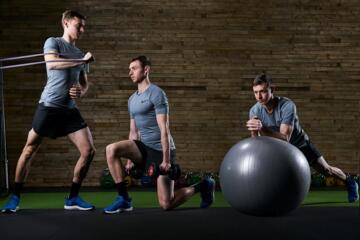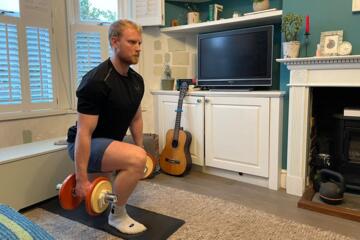
Mobility Work And Real Outcomes
Mobility work is training that changes how a joint moves and how the surrounding tissues respond during movement. It often mixes joint-specific range-of-motion drills, controlled stretching, and movement practice that challenges the body in positions it struggles to reach. People use it for everyday tasks like reaching overhead, getting in and out of a car, squatting to a chair, or turning the torso to look over a shoulder.
The term “mobility” gets used loosely, so outcomes vary. Some programs mainly increase tolerance to stretch, others improve coordination and control, and others reduce stiffness sensations by changing how the nervous system responds to movement. The most reliable improvements usually show up in movement quality—how smoothly and confidently you can reach a position—rather than in a permanent, unlimited increase in joint range.
For example, a person who can’t reach the top shelf may improve after weeks of repeated overhead positions with good control, even if their maximum passive flexibility changes only modestly. Another person may feel less “tight” during daily activities after learning how to move through the range they already have, even without dramatic changes in measured flexibility.
Common Misunderstandings And Risks
Many people treat mobility as a single goal: “get more flexible.” That framing misses how mobility actually works. Joint motion depends on bone geometry, joint capsule behavior, tendon and muscle length-tension properties, and the nervous system’s protective responses. If you only chase deeper end-range stretching, you may increase discomfort without improving control, which can limit carryover to real tasks.
Another common mistake is confusing temporary looseness with lasting mobility. Stretching can reduce perceived stiffness for a short time through changes in sensory input and muscle activation patterns. That effect may fade if you do not practice the movement with strength and coordination. The result is a pattern where you feel better during the session but struggle to reproduce the same position during daily life or exercise.
Mobility work can also become a form of overuse. Aggressive stretching, frequent end-range holds, or repeated joint loading through painful ranges can irritate tendons, bursae, or joint structures. Pain that increases during the session, lingers for more than about 24 hours, or escalates week to week is a practical sign to reduce intensity and reassess the approach.
Mechanistically, mobility improvements tend to come from a few pathways. Controlled range exposure can reduce protective muscle guarding. Practice can improve motor control so the body reaches the position with less co-contraction. Strength work in the available range can increase the ability to hold and move through positions without collapsing or compensating. When these pieces align, movement quality improves; when they don’t, flexibility gains may not translate.
Real-world situations highlight the mismatch. Someone with limited ankle dorsiflexion may stretch the calf daily but still struggle to squat because the movement requires trunk control, hip mobility, and adequate foot pressure distribution. Another person may stretch the hip flexors but continue sitting for long periods with poor posture and low glute activation, so the same stiffness pattern returns.
What Mobility Work Can Improve
Mobility work most consistently improves the ability to move through a joint’s functional range with better control. This includes smoother transitions into positions, fewer compensations, and less “stuck” feeling at specific angles. People often notice improved performance in tasks that require reaching, bending, twisting, or getting into stable positions under load.
It can also improve tolerance to stretch. That means the same range feels less threatening to the nervous system, so you can practice more effectively. Tolerance changes do not always equal large structural length changes in muscles, so measured flexibility may shift less than perceived mobility.
When mobility drills include strength and stability in the practiced range, they can improve joint mechanics. For instance, practicing hip hinge patterns with controlled depth can reduce excessive lumbar extension during bending. Practicing shoulder positions with scapular control can reduce shrugging and improve overhead mechanics.
Mobility work can reduce discomfort for some people, but the direction and magnitude vary. If pain is driven by tissue irritation or instability, mobility drills alone may not address the underlying driver. In those cases, mobility work may still help by improving movement options, but it should not be treated as a substitute for appropriate evaluation when symptoms persist or worsen.
Solutions And Recommendations
Match Drills To The Task
Choose mobility drills that resemble the movement you want to improve. If the goal is better overhead reach, practice controlled overhead positions with scapular control rather than only stretching the front of the shoulder. If the goal is easier squatting, include ankle dorsiflexion practice with foot pressure and hip control, not just calf stretching.
This works because the nervous system learns movement patterns through repetition in context. Range gains are more likely to transfer when the drill challenges the same joint angles and similar control demands as the target task.
In practice, start with a short “movement inventory.” Note where you feel stuck, where you compensate, and what changes when you slow down. Then pick 2–4 drills that target those specific constraints. A typical session might include one drill for the limiting joint, one for adjacent control (like trunk or scapula), and one for the full pattern.
Tools and methods include video recording from the side and front, using a wall or dowel as a reference for joint position, and using a simple pain-monitoring rule: keep discomfort mild and avoid sharp pain or worsening symptoms after the session.
Realistic outcomes: many people notice improved reach or smoother movement within 2–4 weeks when drills match the task and are practiced consistently, even if maximum flexibility measurements change only slightly.
Use Controlled Range, Not Max Pain
Mobility training should expose tissues to range without forcing end-range through high pain. Use a “progressive discomfort” approach: aim for a stretch or joint position that feels challenging but not alarming, then stop before form breaks or pain spikes.
This works because protective muscle guarding and pain signaling can limit effective practice. When you stay within a tolerable zone, you can repeat the movement enough to change motor patterns and sensory responses.
In practice, use short sets with resets. For example, perform 2–3 rounds of 30–45 seconds of controlled range exposure, then return to a neutral position and repeat. If you use longer holds, keep them moderate and track whether the next day feels better, unchanged, or worse.
Tools and methods include a simple intensity scale (0–10 pain), breath control during holds, and stopping rules like “no sharp pain” and “no worsening the next day.” If you consistently exceed tolerable discomfort, reduce range or switch to a more controlled variation.
Realistic outcomes: tolerance improvements often show up as less “guarded” movement and easier entry into the position. Structural length changes may be slower and smaller, especially when training avoids true end-range exposure.
Pair Mobility With Strength In Range
Mobility work improves most when it is paired with strength or stability in the range you practice. Range without the ability to control that range under effort can lead to a “loose but unstable” pattern.
This works because strength training in the practiced angles teaches the body to hold positions and resist unwanted motion. It also improves the ability to transfer mobility into functional tasks like lifting, climbing stairs, or getting up from the floor.
In practice, after mobility drills, add 1–2 short strength movements that match the joint demand. For hips, that might be controlled squats to a box height, hip hinges with a dowel, or glute bridges with a pause. For shoulders, it might be wall slides with scapular control or light overhead carries within a pain-free range.
Tools and methods include using lighter loads, focusing on slow tempo, and limiting depth or height to maintain alignment. A practical rule is to stop the set when technique degrades, not when you reach a predetermined number.
Realistic outcomes: people often see better carryover to exercise performance within 4–8 weeks when mobility drills are followed by short strength work rather than stretching alone.
Track Changes That Matter
Mobility improvements should be tracked with measures tied to daily function and exercise technique. Relying only on how “tight” you feel during stretching can mislead you.
This works because mobility is a behavior change, not just a sensation change. Tracking movement quality and task performance helps you adjust drills based on what transfers.
In practice, choose 2–3 simple tests and repeat them weekly. Examples include a squat-to-box depth test, an overhead reach test against a wall, or a controlled rotation test with consistent foot placement. Record whether you can reach the same position with less compensation and whether discomfort stays within your tolerable range.
Tools and methods include consistent setup (same shoes, same surface, same distance), short video clips, and a log of session volume. If progress stalls for 3–4 weeks, adjust one variable at a time: reduce end-range intensity, increase practice frequency, or add strength in range.
Realistic outcomes: measurable changes in task performance often lag behind sensation changes. A common pattern is feeling better first, then technique improving as control improves.
Educational Case Examples
Case 1: Limited Overhead Reach
A 34-year-old reports difficulty reaching a cabinet shelf and feels shoulder tightness during overhead positions. Their program focuses on repeated overhead holds with scapular control, thoracic rotation drills, and light wall slides. They avoid long, painful end-range stretching. After 3 weeks, they can reach the same height with less shrugging and less discomfort during the movement, and they can hold the overhead position longer before form breaks. Measured flexibility changes are modest, but overhead mechanics improve during daily tasks.
Case 2: Stiff Squat Pattern
A 41-year-old struggles to squat to a chair without leaning forward. They stretch the calf frequently but still feel stuck at the bottom. Their revised approach includes ankle dorsiflexion practice with foot pressure cues, hip hinge mobility, and short box squats to a height that maintains an upright torso. They keep discomfort mild and track whether the next day feels worse. Over 5–6 weeks, they reach the chair with better alignment and less forward collapse, and they can gradually lower the box height while maintaining control.
Mobility Checklist And Comparison
| Approach | What It Tends To Improve | What It Often Misses | Practical Watch-Out |
|---|---|---|---|
| End-Range Stretching Only | Short-term reduced stiffness sensation; some tolerance changes | Control and strength in the range; task carryover | Avoid sharp pain and repeated next-day flare-ups |
| Mobility Drills With Control | Better movement quality; smoother entry into positions | Stability under load if strength is absent | Stop when form breaks, not when time runs out |
| Mobility Plus Strength In Range | Carryover to daily tasks and exercise; joint mechanics | Large passive flexibility jumps if progression is slow | Use loads that keep alignment and avoid pain escalation |
Step-by-step decision checklist:
- Identify the constraint: where you feel stuck and what compensation appears (leaning, shrugging, collapsing).
- Pick one joint and one control target: for example, ankle range plus foot pressure control; shoulder range plus scapular control.
- Practice in a tolerable range: mild discomfort only, no sharp pain, and no worsening the next day.
- Add a strength option: a short movement that holds or moves through the practiced range.
- Track weekly: repeat the same task test and note technique and discomfort, not just sensation.
- Adjust one variable if progress stalls: reduce end-range intensity, increase frequency, or change the strength variation.
Common Mistakes
Chasing maximum range during every session is a frequent error. It can train the nervous system to guard against end-range positions, especially when discomfort is high. A better approach uses progressive exposure and keeps technique stable.
Skipping the “practice” part is another issue. Stretching without movement practice can reduce stiffness sensations but fail to improve how you reach and control positions during real tasks. Mobility work should include controlled repetitions that resemble the target movement.
Overloading the same tissue repeatedly is also common. For example, daily aggressive calf stretching may irritate tendon structures if the person also increases running or jumping volume. Mobility sessions should fit within the overall training load.
Ignoring adjacent joints can stall progress. Limited ankle motion can be influenced by hip mobility and trunk control during squats. Limited overhead reach can involve thoracic rotation and scapular mechanics. Treating only the “tightest” area often misses the driver.
Finally, using pain as a progress metric can backfire. Pain that increases during practice or persists afterward often indicates that the stimulus is too intense or poorly targeted for that tissue and that stage of training.
FAQ
Does Mobility Training Increase Range Permanently?
Mobility work can improve functional range and tolerance, but permanent structural changes vary by person and by the type of training. Many improvements come from nervous system and control changes that may fade if you stop practicing the movement pattern.
Is Stretching The Same As Mobility Work?
Stretching is one component of mobility work. Mobility work usually includes controlled movement through range and often pairs range practice with stability or strength so the improved range transfers to tasks.
How Often Should I Do Mobility Exercises?
Many people benefit from short, frequent sessions rather than long, occasional sessions. A practical starting point is a few sessions per week with consistent drills, then adjusting based on whether next-day symptoms and task performance improve.
What Pain Level Is Too Much During Mobility Work?
Mild discomfort that stays stable during the set is different from sharp pain or pain that escalates. If pain increases during the session or worsens the next day, reduce range, intensity, or volume and reassess the drill choice.
Why Do I Feel Looser After Stretching But Not During Workouts?
Short-term looseness can occur without improved control or strength in the practiced range. If workouts still trigger the same compensations, the program likely needs more movement practice and strength work in the available range.
Author's Insight
Mobility work improves movement when it trains both range exposure and control. The most consistent gains tend to show up as better task performance—reaching, bending, and positioning—rather than as dramatic changes in passive flexibility alone. Programs that combine controlled range practice with strength in that range usually transfer better to daily activities and exercise technique. When symptoms worsen or persist, the limiting factor may involve tissue irritation, instability, or a broader movement pattern that needs a more cautious, stepwise approach.
Key Takeaways
- Mobility work most reliably improves movement quality and tolerance to positions, with carryover when drills match the target task.
- Stretching alone often changes how you feel during the session; strength and control in range drive functional results.
- Use tolerable discomfort, avoid sharp pain, and watch for next-day flare-ups.
- Track weekly task performance and technique, then adjust one variable if progress stalls.