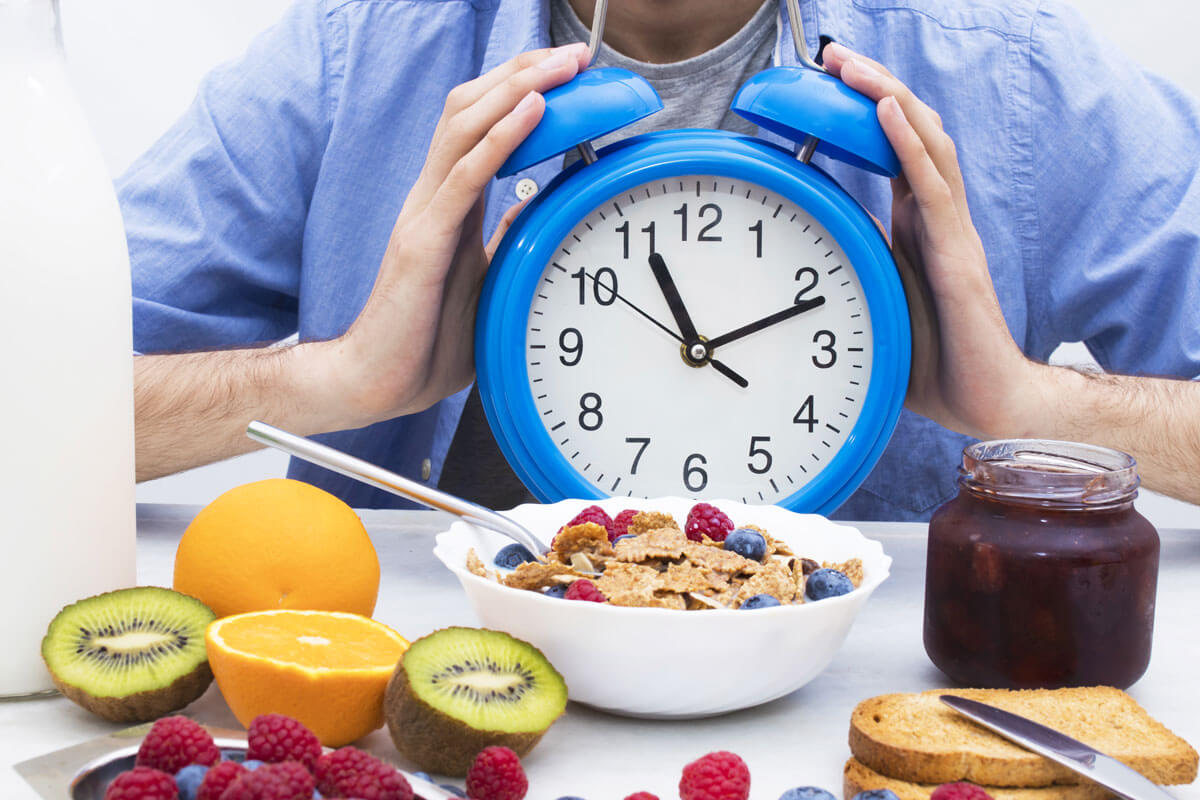
Meal Timing And Body Rhythms
Meal timing affects how your body coordinates digestion, blood sugar regulation, and sleep-wake rhythms. Your gut releases hormones in response to food, and your liver and muscles handle incoming glucose differently across the day. Many people feel the difference as changes in hunger timing, energy dips, or nighttime reflux. Others notice it through glucose readings, using a finger-stick meter or a continuous glucose monitor. The effect varies because circadian timing, meal composition, and individual metabolism interact, and the same schedule can feel fine for one person and disruptive for another.
One practical example: eating a larger dinner close to bedtime can worsen reflux for some people, partly because stomach contents have less time to clear and gravity works less in a reclined position. Another example: skipping breakfast and eating later can shift hunger and blood sugar patterns, which may show up as stronger cravings in the afternoon. If you track symptoms for a week, you often see a pattern tied to clock time rather than calories alone, even when total intake stays similar. I’ve seen readers report that their “crash” happens at the same hour even after they swap foods, which points toward timing and routine more than ingredients.
Common Misreads And Pain Points
People often treat meal timing as a single lever, then blame the schedule for outcomes driven by other factors. A late meal can coincide with less activity, higher stress, alcohol intake, or a different meal composition, and those variables can dominate. Another frequent misread: assuming that if timing affects you, it must be the same for everyone. Research shows that circadian alignment and metabolic health influence responses, but individual variation remains large.
Some pain points show up repeatedly. Hunger can become “sticky,” meaning you feel hungry at the same time each day even after eating enough, which can happen when your routine trains your appetite signals. Sleep can fragment when late meals increase reflux or when blood sugar rises and falls near bedtime, which may affect sleep onset and maintenance for some people. Digestive discomfort can also worsen with larger evening portions, higher fat meals, or eating quickly, and timing amplifies those effects because digestion slows during the night for many people.
Meal timing interacts with supporting systems. Your pancreas and insulin sensitivity change across the day, and your liver’s glucose output follows circadian cues. Your gut microbiome also responds to feeding schedules, and repeated late eating can shift microbial activity patterns over time. If you use a glucose monitor, the device measures interstitial glucose rather than blood glucose directly, and readings lag by several minutes, which can make you misinterpret cause and effect. I once reviewed a patient log where “the meal caused the spike” was actually the spike that occurred before the meal, because the timing notes were off by 10–15 minutes.
Practical Experiments And Advice
Shift Dinner Earlier First
Start with the easiest change: move your last substantial meal earlier by 60–90 minutes for 7–14 days. Keep the meal size and composition roughly similar so you can attribute changes to timing rather than food quantity. If reflux or bloating appears, try a smaller dinner and avoid lying down for at least 2–3 hours after eating. Many people notice improvements in nighttime symptoms within a few days, but some need longer because habits and meal patterns take time to settle.
If you track outcomes, use simple markers: bedtime, time to fall asleep, nighttime awakenings, and symptom notes (heartburn, fullness, nausea). A mild frustration is common here: you may feel “fine” during the first two nights, then symptoms return when a social dinner runs late. That pattern still counts as evidence that timing matters for you, and it helps you decide what schedule you can realistically maintain.
Test Breakfast Or No Breakfast
For people who feel better with earlier eating, a breakfast trial can reduce afternoon hunger swings. Try eating a modest breakfast within 1–2 hours of waking for 10–14 days, aiming for a balanced meal with protein and fiber. If you prefer intermittent fasting, test a later first meal instead, but keep the eating window consistent. The goal is not to “win” a fasting debate; it’s to see whether your body responds to earlier or later feeding cues.
When using glucose data, focus on trends rather than single spikes. Look at average glucose, time-in-range (if your device reports it), and how quickly glucose returns toward baseline after meals. Continuous glucose monitors report metrics that depend on sensor calibration and individual settings, so compare your own week-to-week results rather than comparing to someone else’s chart.
Use A Consistent Eating Window
Consistency often matters more than the exact clock time. Choose an eating window you can repeat on weekdays and weekends, then adjust gradually. For example, if you currently eat from 12:00–20:00, try 11:00–19:00 before attempting a much earlier window. If you work shifts, anchor meals to your sleep schedule rather than the sun, since circadian cues follow your personal day-night rhythm more closely than the clock.
Support your experiment with routine details: meal timing relative to caffeine, hydration, and planned activity. Caffeine can mask hunger and alter sleep, so keep caffeine timing stable during the trial. A small aside: if you use a phone app to log meals, version updates sometimes change how reminders display, and that can shift your behavior without you noticing.
Adjust Meal Size And Composition
Timing effects often show up most strongly when meal size changes. If you move dinner earlier but keep it large, you may still experience discomfort. Try reducing dinner portion size by about 10–20% while keeping protein and fiber steady, then observe symptoms and next-day appetite. For blood sugar concerns, pairing carbohydrates with protein and fiber can blunt post-meal glucose rises, which can reduce the “late-day roller coaster” some people report.
For digestive sensitivity, slow eating helps. Eating quickly increases swallowed air and can worsen fullness, and timing interacts with this because late meals often happen during rushed evenings. If you notice symptoms after high-fat meals, test a lower-fat dinner while keeping timing constant for a week, then decide whether timing or composition drives the effect for you.
Educational Case Examples
Case 1: Late Dinner And Reflux
A 38-year-old with recurring nighttime heartburn noticed symptoms after dinners eaten within 60 minutes of bedtime. They moved dinner 90 minutes earlier for two weeks and kept the same foods, but reduced the dinner portion slightly. They tracked bedtime and heartburn severity on a 0–10 scale. Heartburn scores dropped on most nights, and they also reported fewer awakenings. When a weekend dinner ran late, symptoms returned that night, which supported timing as a key trigger rather than a random flare.
Case 2: Afternoon Hunger And Glucose
A 52-year-old who felt shaky and hungry in the afternoon used a finger-stick meter and a food log. They tried two schedules for 10 days each: first meal at 9:00 versus first meal at 13:00, keeping total calories similar. With the later schedule, they recorded more frequent late-afternoon glucose elevations and stronger cravings before dinner. With the earlier schedule, glucose peaks were smaller and cravings were less intense. The person also noticed that skipping breakfast made them overeat at lunch, which likely amplified the effect.
Timing Checklist And Tradeoffs
| Goal | What To Change | How To Track | Common Tradeoff |
|---|---|---|---|
| Less nighttime reflux | Move dinner earlier by 60–90 min; avoid lying down 2–3 hours after eating | Heartburn score, bedtime, awakenings | Social dinners may break the pattern |
| Fewer afternoon cravings | Test breakfast within 1–2 hours of waking for 10–14 days | Hunger ratings at 3–5 pm; glucose trend if available | Some people feel nauseated with early eating |
| More stable energy | Keep an eating window consistent; adjust gradually | Energy dips, sleep onset time, meal timing adherence | Shift work may require sleep-based anchoring |
| Better post-meal glucose | Pair carbs with protein/fiber; avoid very large late meals | Time-in-range or post-meal return to baseline | Food pairing changes can confound timing effects |
If you want a step-by-step approach, use this sequence: choose one target (reflux, cravings, sleep, glucose), change only one timing variable for 10–14 days, keep meal composition stable during that trial, then repeat with a different timing change only after you can explain what happened. This method prevents the common mistake of stacking multiple changes and then guessing which one mattered.
Common Mistakes That Skew Results
One mistake involves changing timing and food quality at the same time. If you move dinner earlier and also switch to a low-carb menu, you cannot tell whether timing or composition drove the change. Another mistake is using symptom memory instead of notes. Heartburn and hunger fluctuate with stress, alcohol, and sleep, so a quick log beats relying on “I think it was worse.”
People also misread glucose data. Finger-stick readings reflect blood glucose at a moment, while continuous glucose monitors reflect interstitial glucose with a lag, and sensor settings can change reported metrics. If you record meal times inaccurately, you can end up blaming the wrong meal for the spike. I’ve seen logs where the meal time was entered after the fact, and the timing mismatch created a misleading pattern.
Skipping the “real life” test is another issue. If your schedule works only on perfect days, it may not translate to long-term adherence. A better approach is to test both a typical weekday and one variable day, like a late meeting, then decide whether you need a flexible rule such as “no large dinner within 3 hours of bed.”
FAQ
Does Eating Late Cause Weight Gain?
Late eating can contribute to weight gain for some people through increased calorie intake, poorer sleep, and reduced activity after dinner. Timing alone does not guarantee weight gain; the effect depends on total intake, meal size, and how late eating changes your routine.
How Long Should I Try A New Meal Schedule?
A practical trial lasts 10–14 days for most timing changes, with 7 days as a minimum if symptoms are frequent. If you track glucose or sleep, use at least a full week to smooth out weekend differences.
Can Meal Timing Affect Blood Sugar?
Yes. Insulin sensitivity and glucose handling vary across the day, and late meals can produce different glucose patterns than earlier meals. If you use glucose data, compare trends across days rather than reacting to single spikes.
Is Intermittent Fasting A Timing Issue?
Intermittent fasting changes the timing of when you eat and when you don’t. Some people notice benefits related to reduced late-night eating, while others feel worse due to hunger, sleep disruption, or overeating during the eating window.
When Should I Talk To A Clinician?
Seek medical advice if you have diabetes or take glucose-lowering medications, experience persistent reflux, have unexplained weight loss, or notice symptoms that worsen despite timing changes. Medication adjustments require clinician guidance.
Author's Insight
Meal timing affects digestion, appetite signals, and glucose regulation through circadian biology and behavioral routines. Evidence supports that feeding schedules can shift metabolic responses, but individual outcomes vary widely. The most reliable home approach uses controlled trials: change one timing variable, keep other factors stable, and track a small set of outcomes for 10–14 days. If you use glucose monitoring, interpret readings with device-specific lag and focus on trends. When symptoms are persistent or involve medication, clinician input matters because timing changes can interact with treatment plans.
Key Takeaways
- Timing can change hunger, sleep, reflux, and glucose patterns, but the effect depends on meal size, composition, and your routine.
- Run a short trial (10–14 days) by changing one timing variable at a time and logging a few measurable outcomes.
- For reflux-prone people, moving dinner earlier and avoiding lying down soon after eating often shows the fastest signal.
- For glucose-related concerns, compare trends across days and account for measurement lag if using continuous monitors.
- Persistent or medication-related symptoms require medical guidance rather than self-experimentation.