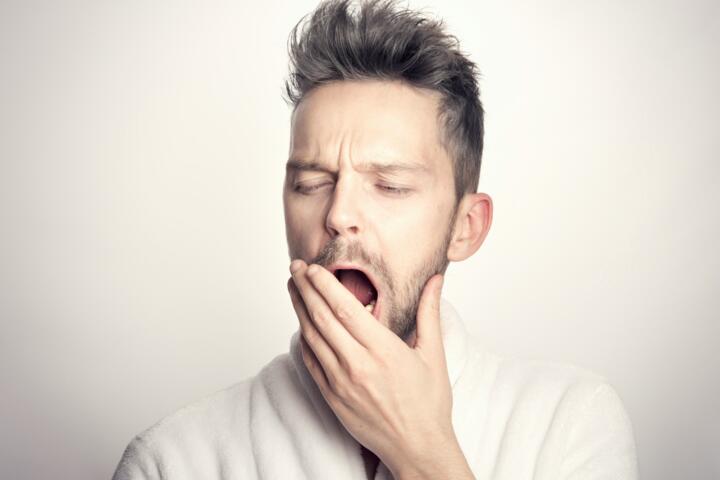
Why Tired After 8 Hours
Eight hours in bed does not guarantee eight hours of restorative sleep. Sleep is made of cycles that include lighter non-REM sleep, deeper non-REM sleep, and REM sleep, and the balance of these stages changes across the night. If your night is repeatedly interrupted or your circadian timing is off, you can spend enough time in bed but still wake up with a “non-rested” feeling.
Adults typically need about 7–9 hours of sleep per 24 hours, but the key measure is how much of that time is actually spent asleep and how stable the sleep is. Sleep fragmentation matters because brief awakenings and arousals can prevent you from completing enough deep sleep and REM sleep. In one widely cited model, sleep cycles last about 90 minutes, so waking near the end of a cycle can feel worse than waking after a full cycle, even if total time asleep is similar.
Practical examples help clarify the pattern. Someone who falls asleep quickly but wakes several times to urinate may still average eight hours in bed while losing continuity. Another person may sleep eight hours but shift their schedule later on weekends, causing a circadian mismatch that leaves them tired at the usual weekday wake time.
Common Causes and Pain
People often assume that “8 hours” automatically means “good sleep,” which can hide problems with sleep quality. A common mismatch is between time in bed and time asleep. If you lie awake for 30–60 minutes before falling asleep, or you wake repeatedly for short periods, your total sleep time can drop well below what your body needs.
Sleep timing and circadian rhythm also play a major role. Your internal clock drives alertness and sleep pressure, and it is sensitive to light exposure, meal timing, and consistent wake times. When the wake time is forced earlier than your circadian rhythm prefers, you may get enough hours on the clock but still feel under-rested.
Breathing-related sleep problems are another frequent contributor. Obstructive sleep apnea involves repeated airway narrowing during sleep, leading to oxygen dips and micro-arousals that fragment sleep. Even without loud snoring, some people experience non-restorative sleep, morning headaches, dry mouth, or daytime sleepiness.
Restless legs syndrome and periodic limb movements can also reduce sleep continuity. These conditions can cause uncomfortable sensations or repetitive leg movements that trigger arousals, leaving you tired on waking.
Stress and hyperarousal can keep the brain in a lighter, more easily interrupted state. Anxiety, late-night work, and emotionally activating content can raise sympathetic nervous system activity, making it harder to maintain deep sleep. The result is often frequent awakenings or a sense of being “on alert” even after a full night.
Substances and medications can shift sleep architecture. Alcohol may help you fall asleep faster, but it often reduces REM sleep and increases nighttime awakenings as alcohol levels fall. Nicotine is a stimulant that can fragment sleep. Some antidepressants, antihistamines, corticosteroids, and blood pressure medications can also affect sleep quality, depending on the drug and timing.
Finally, medical and lifestyle factors can contribute. Pain, gastroesophageal reflux, frequent urination, and temperature discomfort can all increase awakenings. Thyroid disorders, anemia, and chronic inflammatory conditions can contribute to fatigue, though the pattern of tiredness on waking often points back to sleep quality and timing.
What to Do Next
Track sleep timing for 2 weeks
Start with a simple sleep diary or a phone-based sleep tracker to record bedtime, estimated time to fall asleep, number of awakenings, wake time, and how rested you feel. Over 10–14 days, look for patterns such as long sleep onset latency, consistent early-morning awakenings, or large weekend shifts. This helps separate “not enough sleep” from “sleep fragmentation” and “circadian mismatch.”
In practice, aim to keep wake time within about 30–60 minutes across weekdays and weekends. If your tiredness is worst after a weekend delay, the circadian explanation becomes more likely. If tiredness persists even with stable timing, breathing, limb movements, or other sleep-disrupting factors move higher on the list.
Check light and wake consistency
Morning light is one of the strongest cues for circadian alignment. Get outdoor light exposure soon after waking, ideally for 10–30 minutes, and reduce bright light exposure late at night. If you work nights or have irregular schedules, consistent light timing becomes even more important.
What it looks like: you wake, open curtains or step outside, and avoid bright screens in the hour before bed. If you use a dimmer schedule, you may notice improved sleep onset and fewer “wired but tired” nights.
Reduce arousals from habits
Small habit changes can reduce awakenings that prevent restorative sleep. Avoid heavy meals within 2–3 hours of bedtime if reflux or stomach discomfort is a factor. Limit alcohol close to bedtime; even when it helps you fall asleep, it can worsen sleep continuity later in the night. Keep caffeine earlier in the day; many people need to stop 6–8 hours before bedtime, though sensitivity varies.
In practice, choose one change at a time for a week so you can tell what affects your morning tiredness. If you notice fewer awakenings and better morning alertness after adjusting caffeine timing, you have a clear behavioral lever.
Address breathing and snoring
If you snore, wake up with dry mouth, have morning headaches, or feel sleepy during the day, breathing-related sleep problems deserve attention. A clinician can assess risk factors such as neck size, nasal congestion, and blood pressure, and may recommend a sleep study to confirm obstructive sleep apnea or related conditions.
What to do now: note symptoms in your diary, including snoring, witnessed pauses, and nighttime choking sensations if known. If you live with someone, ask whether they observe breathing pauses. If you have high blood pressure or obesity, the threshold for evaluation is lower because the probability of sleep-disordered breathing is higher.
Evaluate restless legs and movements
Restless legs syndrome often includes uncomfortable sensations and an urge to move that worsens in the evening and improves with movement. Periodic limb movements during sleep can occur even when you do not notice the sensations, and they can fragment sleep.
Practical steps include tracking evening symptoms and whether you feel better after stretching or walking. A clinician may consider iron status and other contributors, since low iron stores are associated with restless legs in many cases. Do not start iron supplements without medical guidance, because iron dosing depends on lab results and underlying causes.
Optimize the sleep environment
Temperature, noise, and light exposure affect sleep depth and awakenings. Many people sleep better in a cooler room, and blackout curtains or an eye mask can reduce light-induced arousals. If noise is unavoidable, white noise or earplugs can reduce awakenings.
What it looks like: you set a consistent room temperature, keep the bedroom dark, and reduce sudden noise. If morning tiredness improves after controlling light and noise, sleep fragmentation was likely part of the problem.
Review medications and timing
Medication timing can matter as much as the medication itself. If you take diuretics, you may wake to urinate; if you take stimulants or certain antidepressants, you may have delayed sleep onset or lighter sleep. Antihistamines can cause next-day grogginess in some people, even when they make you sleepy initially.
Practical approach: list all prescription drugs, over-the-counter sleep aids, and supplements, then note when you take them. Discuss timing with a clinician or pharmacist before changing anything, especially for medications that should not be stopped abruptly.
Consider stress and cognitive arousal
When the mind stays active at bedtime, sleep can become lighter and more easily interrupted. A consistent wind-down routine can reduce cognitive arousal: dim lights, avoid emotionally intense conversations, and use a short “worry list” or planning exercise earlier in the evening rather than in bed.
In practice, if you are awake for more than about 20–30 minutes, try leaving the bed for a quiet, low-light activity until sleepiness returns. This reduces the association between bed and wakefulness, which can otherwise perpetuate insomnia-like patterns.
Educational Case Examples
Case 1: Weekend schedule shift
A 34-year-old reports eight hours in bed most nights but wakes tired on weekdays. Sleep diary entries show a consistent weekday wake time that is 90 minutes earlier than weekends, with later weekend bedtimes. The person also reports that they feel more rested after weekend mornings. The pattern suggests circadian mismatch and reduced sleep pressure alignment rather than a simple “insufficient hours” problem.
Case 2: Snoring and dry mouth
A 52-year-old wakes with dry mouth and has loud snoring reported by a partner. The person averages eight hours in bed and falls asleep quickly, but wakes several times and feels unrefreshed despite no obvious insomnia. Daytime sleepiness appears during sedentary activities. Symptom tracking points toward sleep-disordered breathing as a likely contributor, which typically requires clinical assessment and often a sleep study to confirm.
Checklist to Sort the Cause
| Clue you notice | What it often points to | What to try first | When to seek help |
|---|---|---|---|
| Long time to fall asleep (30+ min) | Cognitive arousal, inconsistent timing, caffeine effects | Track caffeine cutoff; add a wind-down routine; keep wake time steady | If it persists most nights for 3+ months or causes major daytime impairment |
| Frequent awakenings | Reflux, pain, temperature, stress, breathing issues | Adjust meal timing; control room temperature/light; note triggers in diary | If awakenings are frequent and unexplained, or you have snoring/dry mouth |
| Snoring, dry mouth, morning headaches | Sleep-disordered breathing | Track symptoms; discuss risk factors with a clinician | If symptoms occur most nights or daytime sleepiness is present |
| Urge to move in evenings | Restless legs / periodic limb movements | Track timing and sensations; review iron status with clinician | If symptoms disrupt sleep or worsen over time |
| Weekend “catch-up” helps | Circadian mismatch | Keep wake time closer across days; get morning light | If tiredness persists despite stable schedule and good sleep hygiene |
Common Mistakes
One mistake is extending time in bed to “make up” for tiredness without addressing fragmentation. If you are waking repeatedly, adding more time may increase time awake rather than deep sleep.
Another mistake is using alcohol as a sleep aid. It can reduce REM sleep and increase awakenings later in the night, which often leads to the exact pattern of waking tired despite adequate hours.
People also underestimate caffeine timing. Even if caffeine is stopped “at night,” some people consume it earlier in the evening and still experience sleep disruption. Tracking the timing for 1–2 weeks can reveal the effect.
A frequent error is ignoring snoring or breathing pauses because the person does not feel “sleepy.” Non-restorative sleep can occur without obvious sleepiness, and breathing-related sleep problems can still fragment sleep.
Finally, many people rely on sleep aids without reviewing side effects. Some over-the-counter products and sedating antihistamines can cause next-day grogginess or worsen sleep quality, and they can mask symptoms that deserve evaluation.
FAQ
Does eight hours in bed always mean enough sleep?
No. Total time asleep and sleep continuity matter. If you spend a long time awake at the start of the night or wake repeatedly, eight hours in bed can still produce non-restorative sleep.
Why do I feel worse when I sleep longer?
Longer time in bed can increase the chance of waking near the end of a sleep cycle and can also worsen circadian mismatch if your wake time shifts later. It can also happen when fragmentation persists, so extra time does not restore deep sleep.
Can stress make me wake up tired even after a full night?
Yes. Stress and cognitive arousal can keep sleep lighter and more easily interrupted, leading to more micro-arousals and less deep or REM sleep even when you remain in bed for many hours.
What symptoms suggest sleep apnea rather than insomnia?
Snoring, dry mouth, morning headaches, witnessed breathing pauses, and daytime sleepiness are common clues. The pattern of unrefreshing sleep despite adequate time in bed often warrants clinical assessment.
When should I talk to a clinician about morning tiredness?
If tiredness persists most days for several weeks, affects driving or work safety, or comes with red flags such as loud snoring with breathing pauses, significant daytime sleepiness, or morning headaches, a medical evaluation is reasonable.
Author's Insight
Waking tired after eight hours usually reflects sleep quality, timing, or fragmentation rather than a simple shortage of hours. The most useful next step is pattern recognition: track bedtime, wake time, awakenings, and morning symptoms for 10–14 days, then compare what changes when you adjust one factor at a time. Breathing-related sleep problems and restless legs are common causes of non-restorative sleep and often require clinical evaluation rather than only habit changes. If you have persistent symptoms, a clinician can help narrow the cause and decide whether testing is appropriate.
Key Takeaways
Eight hours in bed can still lead to tired mornings when sleep is fragmented, circadian timing is off, or breathing and movement disorders disrupt sleep stages. Start with a 2-week sleep diary, keep wake time consistent, and adjust high-impact habits such as caffeine timing, late meals, and alcohol near bedtime. These steps can improve sleep continuity for many people, but they do not rule out medical causes.
Seek professional medical advice if unrefreshing sleep persists, if you have symptoms suggestive of sleep-disordered breathing, or if daytime sleepiness affects safety. A clinician can review medications, assess risk factors, and determine whether a sleep study or other evaluation is appropriate. If you notice sudden worsening, severe daytime sleepiness, or safety concerns while driving, seek urgent medical attention.