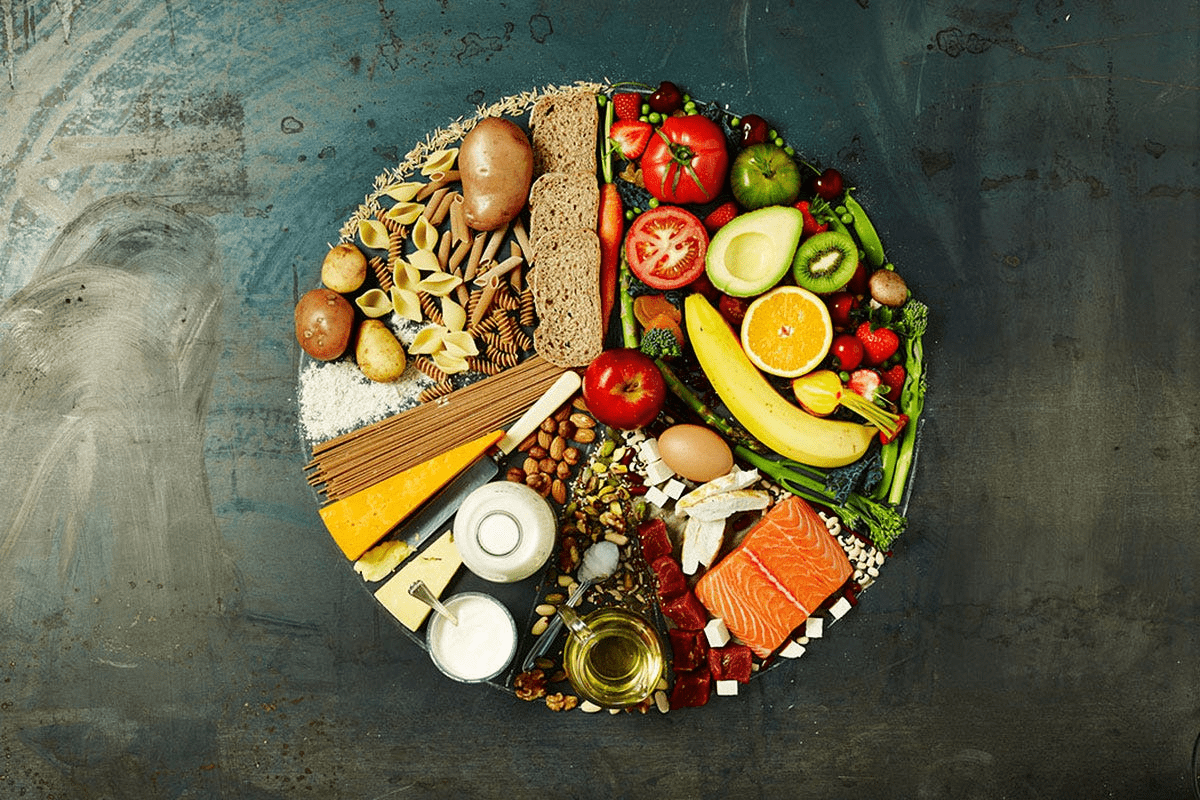
Balanced Diet, Plain Meaning
A balanced diet is a way of eating that matches your daily food intake to your body’s needs for energy, protein, essential fats, vitamins, minerals, and fiber. Balance does not mean eating every food group in equal amounts at every meal; it means the overall pattern across the day and week covers what your body uses and what you lose through normal processes like breathing, movement, and digestion.
In practical terms, balance shows up in three places: the plate composition, the nutrient density of the foods you choose, and the consistency of your intake. For example, a meal that includes a protein source, a high-fiber carbohydrate, and a portion of unsaturated fat tends to be more balanced than a meal that relies only on refined grains and added sugars. A day that repeatedly includes vegetables, fruit, legumes, whole grains, and adequate protein usually provides more fiber and micronutrients than a day built around snacks and processed foods.
Energy balance matters too. If your intake repeatedly exceeds your energy needs, weight gain becomes more likely; if it repeatedly falls short, fatigue, nutrient gaps, and loss of lean mass can occur. Balanced eating therefore includes both “what nutrients” and “how much total energy” you consume.
What People Commonly Get Wrong
Many people treat “balanced” as a synonym for “healthy foods,” then ignore portions and total intake. This can lead to a diet that looks varied but still misses fiber, protein, or key micronutrients. For instance, eating salads with minimal protein and relying on refined grains for the rest of the day can leave you short on amino acids needed for tissue maintenance and short on iron, zinc, and B vitamins depending on the rest of the menu.
Another frequent issue is confusing macronutrients with the whole picture. Carbohydrates, fats, and protein each play distinct roles. Carbohydrates provide glucose for the brain and working muscles; fats support cell membranes and help carry fat-soluble vitamins; protein supplies amino acids for muscle, enzymes, and immune signaling. A diet can be high in calories from one macro while still lacking other nutrients. For example, a high-fat, low-fiber pattern can reduce stool bulk and may worsen constipation in some people.
People also underestimate the impact of ultra-processed foods on nutrient balance. Ultra-processed foods often deliver calories with fewer fiber and micronutrients per calorie. When they displace whole foods, the diet can become energy-dense and nutrient-poor. This shift can affect appetite regulation through changes in satiety signals, and it can increase the likelihood of exceeding energy needs without feeling satisfied.
Hydration is another overlooked component. Dehydration can worsen headaches, constipation, and exercise tolerance. While water alone does not “balance” a diet, fluid intake influences how well you can maintain regular eating patterns and digestion.
Finally, balance can be disrupted by restrictive patterns that remove entire food groups without replacement. Eliminating dairy, for example, can reduce calcium and vitamin B12 intake unless fortified alternatives or other sources are used. Eliminating all animal foods can reduce vitamin B12 intake unless supplemented or fortified foods are included. These gaps are not about willpower; they are about nutrient availability.
Build Balance With Real Meals
Use a Plate Pattern
Start with a repeatable plate structure. A common approach is to fill about half the plate with non-starchy vegetables (leafy greens, broccoli, peppers, carrots), about a quarter with protein (beans, lentils, tofu, fish, chicken, eggs, or lean meat), and about a quarter with high-fiber carbohydrates (brown rice, quinoa, oats, whole-wheat pasta, potatoes with skin, or other intact grains). Add a small portion of unsaturated fat (olive oil, avocado, nuts, or seeds) and include fruit or dairy/fortified alternatives as appropriate.
This works because it naturally increases fiber and micronutrients while keeping protein in a range that supports satiety and tissue maintenance. In practice, you can aim for at least one vegetable at lunch and dinner, and aim for a protein source at each main meal. If you eat breakfast, include protein or fiber there as well, such as Greek yogurt, eggs, tofu scramble, or oatmeal with nuts and fruit.
What it looks like: a lunch bowl with mixed greens, chickpeas, chopped vegetables, and olive oil; or dinner with roasted vegetables, salmon, and quinoa. If you prefer sandwiches, choose whole-grain bread, add a protein filling, and include vegetables plus a source of healthy fat.
Tools: a simple “half-quarter-quarter” mental model, plus a habit of checking whether your meal includes vegetables, protein, and a fiber-containing carbohydrate.
Match Protein and Fiber Targets
Balanced diets usually include enough protein to cover daily needs and enough fiber to support digestion and metabolic health. Exact targets vary by age, body size, activity level, and health conditions, so use general ranges rather than a single number.
For fiber, many public health recommendations cluster around 25–38 grams per day for adults, depending on sex and age. A practical way to reach this is to include legumes several times per week, choose whole grains over refined grains, and add fruit and vegetables daily. If fiber intake rises quickly, gas and bloating can occur; gradual increases and adequate fluids help.
For protein, a common planning range for adults is roughly 0.8 grams per kilogram of body weight per day, with higher needs in some situations such as pregnancy, older age, or higher activity. Rather than calculating every day, you can aim to include a protein portion at each meal and choose protein-forward foods like beans, lentils, yogurt, eggs, fish, poultry, tofu, or lean meat.
What it looks like: breakfast with oats plus nuts and yogurt; lunch with lentil soup and whole-grain bread; dinner with tofu stir-fry and brown rice; snacks with fruit plus a handful of nuts or hummus with vegetables.
Tools: a food diary for a week to see whether protein and fiber show up consistently, and a label check for fiber grams per serving.
Choose Fats and Carbs by Quality
Carbohydrates and fats influence how quickly you feel hungry, how stable blood sugar can be after meals, and how micronutrients are absorbed. Quality matters because different foods contain different fiber, micronutrients, and processing levels.
For carbohydrates, prioritize intact or minimally processed sources: oats, brown rice, quinoa, whole-wheat bread, beans, lentils, fruit, and vegetables. Limit refined grains and added sugars when they replace these foods. For fats, prioritize unsaturated fats from olive oil, nuts, seeds, avocado, and fatty fish, and limit trans fats and frequent high amounts of saturated fat from processed meats and some baked goods.
What it looks like: swapping sugary cereal for oatmeal with fruit; choosing beans or lentils instead of only white bread sandwiches; using olive oil-based dressings instead of creamy sauces most days.
Tools: the ingredient list can help; if a product has many added ingredients and little fiber, it often contributes fewer nutrients per calorie. Pairing carbohydrates with protein and fiber also slows digestion and can improve satiety.
Plan for Energy and Hydration
Balanced diet planning includes energy intake. If weight change is a concern, track patterns rather than obsess over single days. A consistent surplus can lead to gradual weight gain; a consistent deficit can lead to weight loss but may also increase hunger and nutrient gaps if food choices are poor.
Hydration supports digestion and comfort. Water is the default for most people, and fluids from unsweetened tea, coffee in moderation, and water-rich foods like soups and fruit contribute too. If you sweat heavily or exercise, fluid needs rise, and electrolytes may matter depending on duration and conditions.
What it looks like: drinking water with meals, keeping a bottle nearby, and noticing whether thirst and urine color suggest under-drinking. If you use caffeine, consider its diuretic effect in some people and avoid replacing water entirely with sweetened beverages.
Tools: a simple daily check—did you drink fluids regularly, and did your meals include fiber and protein rather than only refined carbohydrates?
Two Educational Case Examples
Example 1: “Varied but Low Fiber.” A person eats three meals a day and includes vegetables at dinner, but lunches often consist of white bread sandwiches, cheese, and fruit juice. Snacks are pastries or chips. The pattern provides some micronutrients but little fiber, which can show up as constipation, frequent hunger, or difficulty staying satisfied. A balanced adjustment is to add legumes or whole grains at lunch (for example, chickpeas or lentils in a salad, or whole-grain bread), and to choose fruit instead of juice most days. The goal is a higher fiber intake across the day, not a single “perfect” meal.
Example 2: “High Protein, Unbalanced Carbs.” Another person focuses on protein shakes and lean meats but skips vegetables and relies on refined starches for most carbohydrates. This can reduce fiber and micronutrients, and it may increase constipation or leave meals feeling less satisfying. A balanced correction is to include non-starchy vegetables at lunch and dinner and to choose intact carbohydrate sources such as oats, brown rice, quinoa, or potatoes with skin. Protein remains present, but the overall nutrient profile improves through fiber and micronutrients.
Balanced Diet Checklist
| Check | What to Look For | Common Gap | Quick Fix |
|---|---|---|---|
| Vegetables | At least one serving at lunch or dinner | Vegetables only at one meal or none | Add a pre-cut salad or frozen vegetable side |
| Protein at Meals | Protein source at breakfast, lunch, or dinner | Protein only at one meal | Add yogurt, eggs, tofu, beans, or nuts |
| Fiber Sources | Whole grains, beans, fruit, vegetables | Juice and refined grains dominate | Swap juice for whole fruit; choose whole grains |
| Carb Quality | Intact carbs paired with protein/fiber | Carbs without fiber (white bread, sweets) | Pair carbs with beans, yogurt, or vegetables |
| Fat Quality | Unsaturated fats more often than saturated fats | Frequent fried/processed foods | Use olive oil, nuts, seeds, avocado |
| Energy Pattern | Portions match activity and goals | Frequent calorie surplus from snacks | Plan snacks with protein/fiber |
| Hydration | Regular fluid intake across the day | Sweetened drinks replace water | Choose water or unsweetened beverages |
If you want a step-by-step approach, use this sequence for one week: (1) list what you ate for breakfast, lunch, dinner, and snacks; (2) check whether each main meal includes a protein source; (3) count fiber-rich foods (beans, whole grains, fruit, vegetables); (4) note whether vegetables appear at least twice daily; (5) review beverages and replace sweetened drinks with water most days.
Common Mistakes to Avoid
One mistake is treating “balanced” as a single meal rule. A meal can be balanced and still leave the day unbalanced if other meals are nutrient-poor. Another mistake is relying on supplements to compensate for missing food groups without addressing fiber and overall food pattern. Supplements can fill specific gaps, but they do not replace the variety of nutrients and the fiber found in whole foods.
People also overcorrect by cutting carbohydrates too aggressively. When carbohydrate sources shift from whole grains and fruit to very low intake, fiber often drops and energy intake can become hard to sustain, especially for active people. A balanced approach keeps carbohydrate quality high and portion sizes realistic.
Another common error is “healthy snacking” that still adds many calories without fiber or protein. A handful of nuts can be nutritious, but frequent large portions can raise total energy intake. Snacks work best when they include both satiety components, such as protein plus fiber (for example, hummus with vegetables or yogurt with fruit).
Finally, balance can be undermined by inconsistent meal timing and sleep loss. Poor sleep can increase appetite and cravings, which makes it harder to maintain a stable energy pattern. Addressing sleep and stress patterns can improve eating consistency, even though it does not change the nutrient content of foods.
FAQ
What does balanced mean for macros?
Balanced macros means your daily intake includes carbohydrates, protein, and fats in proportions that fit your energy needs and food choices. The “right” ratio varies by activity level and personal context, but the pattern should include fiber-rich carbohydrates, adequate protein at meals, and mostly unsaturated fats.
How much fiber should I aim for?
Many adult recommendations fall around 25–38 grams per day depending on age and sex. If you currently eat little fiber, increase gradually over days to weeks and drink enough fluids to reduce constipation and gas.
Can a balanced diet include treats?
Yes. Balance is about the overall pattern across the day and week. Treats can fit when they do not displace fiber-rich foods and protein, and when total energy intake matches your needs.
Is a balanced diet the same as a low-carb diet?
A low-carb diet can still be balanced if it includes adequate protein, sufficient unsaturated fats, and enough fiber from non-starchy vegetables and other permitted sources. Balance depends on nutrient coverage and total intake, not only on carbohydrate grams.
How do I balance meals when I eat out?
Choose meals that include vegetables, a protein source, and a fiber-containing carbohydrate when available. If the plate is mostly refined starch or fried items, add a side salad, beans, or extra vegetables when possible and limit sugary drinks.
Author's Insight
Balanced diet guidance works best when it translates into repeatable meal decisions: include vegetables, include protein, choose intact carbohydrate sources, and favor unsaturated fats. Nutrient balance depends on the whole day, not a single “perfect” plate, and fiber is a practical marker because it reflects whole-food intake. Evidence links higher fiber intake with improved digestive outcomes and better metabolic markers in many populations, but individual responses vary and fiber increases should be gradual. If you have conditions that affect digestion, kidney function, or medication interactions, food choices may need more careful planning with a qualified clinician.
Key Takeaways
- A balanced diet is an overall eating pattern that covers energy and key nutrients across the day and week.
- Balance shows up on the plate: vegetables, protein, and fiber-containing carbohydrates, plus unsaturated fats.
- Common failures include low fiber, uneven protein distribution, and energy-dense snacks that displace whole foods.
- Use a short checklist for one week to spot gaps, then adjust portions and food quality rather than chasing a single rule.